Ethereum Reshapes L1 And L2 Strategy For Future Growth

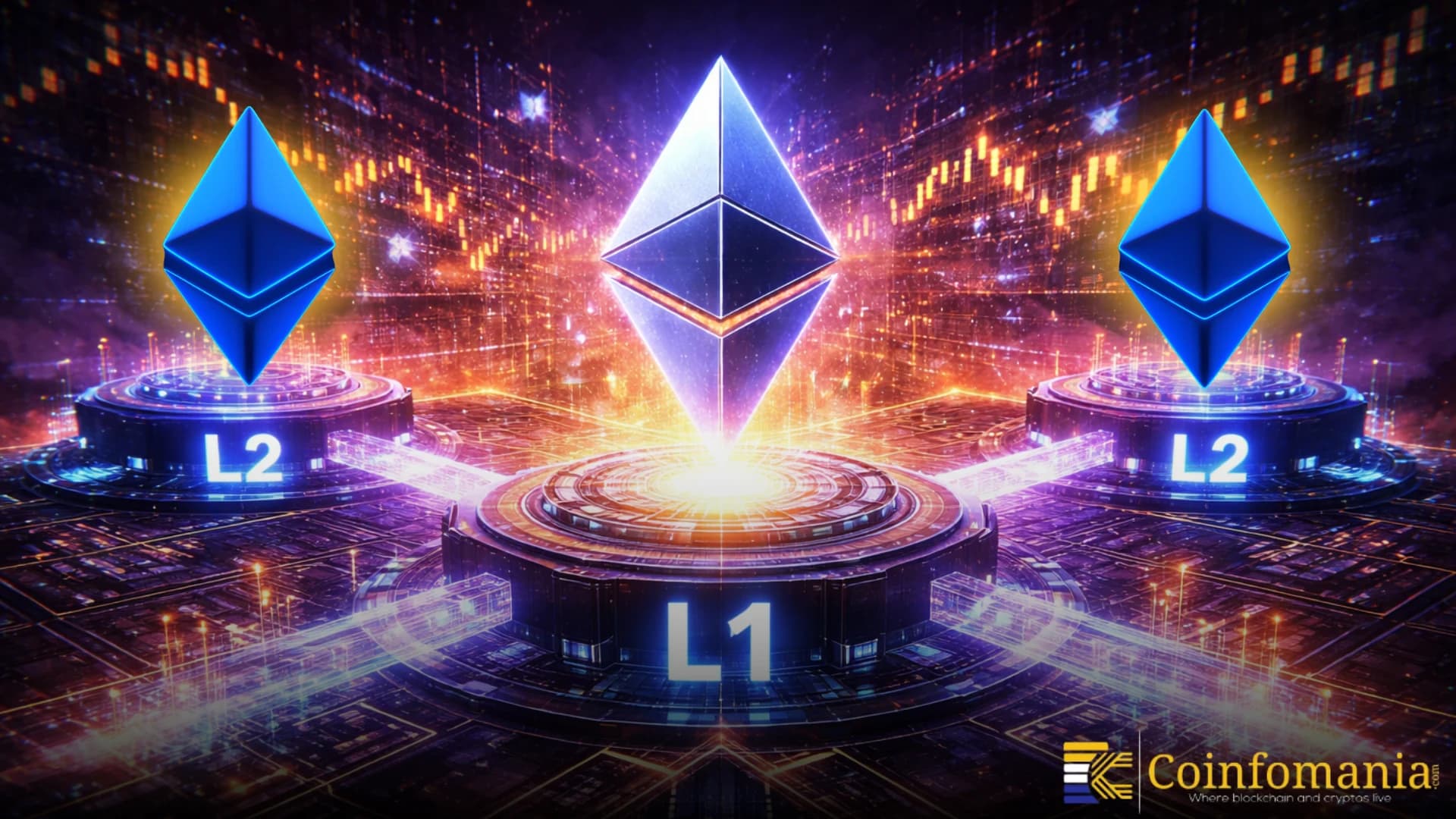
Curious about Ethereum L1 L2 strategy, discover how L1 becomes core hub and L2 networks unlock new ecosystems and innovation
Quick Take
Summary is AI generated, newsroom reviewed.
Ethereum positions Layer 1 as the primary DeFi settlement layer
Layer 2 networks must evolve beyond basic scaling solutions
The Ethereum L1 L2 strategy supports long-term ecosystem growth
Developers now focus on building specialized and differentiated ecosystems
Ethereum enters a new phase of evolution as it redefines how its core layers operate. The Ethereum Foundation now signals a major shift in direction. This change does not focus only on scaling. It aims to reshape how value, innovation, and activity flow across the network.
Developers and investors now watch closely as Ethereum adjusts its structure. The network positions Layer 1 as the central hub for settlement and DeFi activity. At the same time, Layer 2 networks must go beyond simple scaling solutions. They now need to create unique ecosystems with distinct value.
This transformation reflects a deeper vision behind the Ethereum L1 L2 strategy. The network no longer treats Layer 2 as just a supporting layer. Instead, it pushes L2 networks to innovate and differentiate. This shift could define the next phase of Ethereum ecosystem growth.
🔥LATEST: ETHEREUM REDEFINES ITS L1-L2 Strategy
— Coin Bureau (@coinbureau) March 24, 2026
Ethereum Foundation signals a strategic shift, positioning Layer 1 as the global settlement and DeFi hub while Layer 2 networks should evolve beyond scaling to deliver differentiated, customizable ecosystem. pic.twitter.com/m9KScnucRe
Ethereum Positions Layer 1 As The Core Settlement Hub
Ethereum now strengthens the role of Layer 1 as the backbone of the network. It focuses on security, decentralization, and final settlement. This move ensures that all critical transactions and DeFi operations remain anchored to a trusted base layer.
The Ethereum L1 L2 strategy places DeFi settlement layer functionality at the center of Layer 1. Major financial activity continues to rely on its robust infrastructure. This approach builds confidence among institutional players and long-term users.
At the same time, Ethereum avoids overloading Layer 1 with excessive activity. It balances performance and security carefully. This decision supports sustainable Ethereum ecosystem growth over time.
Layer 2 Moves Beyond Scaling Into Full Ecosystems
Layer 2 networks now face new expectations under the updated Ethereum L1 L2 strategy. They must move beyond basic Layer 2 scaling functions. The focus now shifts toward innovation and customization.
Developers must design L2 networks that serve specific use cases. Some may target gaming, while others focus on enterprise solutions or social platforms. Each Layer 2 ecosystem must deliver unique value instead of copying existing models.
This shift transforms how builders approach development. Instead of competing only on transaction speed, L2 networks now compete on experience and utility. This evolution strengthens Ethereum ecosystem growth by expanding use cases.
Why This Strategic Shift Matters For Ethereum
This change clearly reflects Ethereum’s long-term vision and its evolving priorities. In the past, the network focused heavily on scaling as the primary solution. However, it now recognizes that simple scaling alone cannot support future demand. As a result, Ethereum moves toward a more advanced and layered approach. In this model, each component plays a distinct and well-defined role. Therefore, instead of relying on one layer for everything, the network distributes responsibilities more efficiently.
Moreover, the Ethereum L1 L2 strategy reinforces this structured approach in a meaningful way. On one hand, Layer 1 continues to maintain trust, security, and decentralization. On the other hand, Layer 2 networks begin to unlock greater flexibility and innovation. In addition, this separation allows developers to build more efficiently without compromising the core network. Consequently, the overall structure becomes more balanced and scalable.
What This Means For Users And Investors
Users will experience more diverse blockchain applications as the ecosystem continues to evolve. In the past, they relied on a more unified experience. However, the shift toward Layer 2 changes this structure significantly. Now, instead of interacting with a single environment, users will gradually engage with multiple Layer 2 ecosystems. As a result, each network will offer unique features and distinct benefits. Moreover, this diversity allows users to choose platforms that better suit their needs.
At the same time, this transformation also creates new opportunities for investors. As Layer 2 projects expand, they begin to unlock fresh sources of value. In addition, these growing ecosystems can attract more liquidity and user activity over time. Consequently, this trend directly supports the broader Ethereum ecosystem growth narrative. Furthermore, it strengthens the long-term potential of decentralized applications across different sectors.
The Road Ahead For Ethereum
Ethereum now moves toward a more modular future. The Ethereum L1 L2 strategy reflects a clear division of responsibilities. Each layer contributes to the network’s overall strength. Layer 1 continues to secure and settle value. Layer 2 networks expand functionality and user experience. Together, they form a scalable and flexible system.
This evolution positions ETH for long-term dominance. The network adapts to growing demand without compromising its core principles. As Layer 2 scaling evolves, Ethereum strengthens its role in the global blockchain space.


Follow us on Google News
Get the latest crypto insights and updates.