Fed’s Kashkari Slams Crypto As Useless And Warns Of Banking Risks

Let’s uncover the crypto banking risks as Neel Kashkari calls digital assets useless, raising new concerns for stablecoins and payments.
Quick Take
Summary is AI generated, newsroom reviewed.
Kashkari labeled crypto as useless and highlighted growing crypto banking risks.
He warned that stablecoin regulation must strengthen to protect financial stability.
He questioned claims that crypto improves cross border payments.
The policy debate now shapes the future direction of digital asset markets.
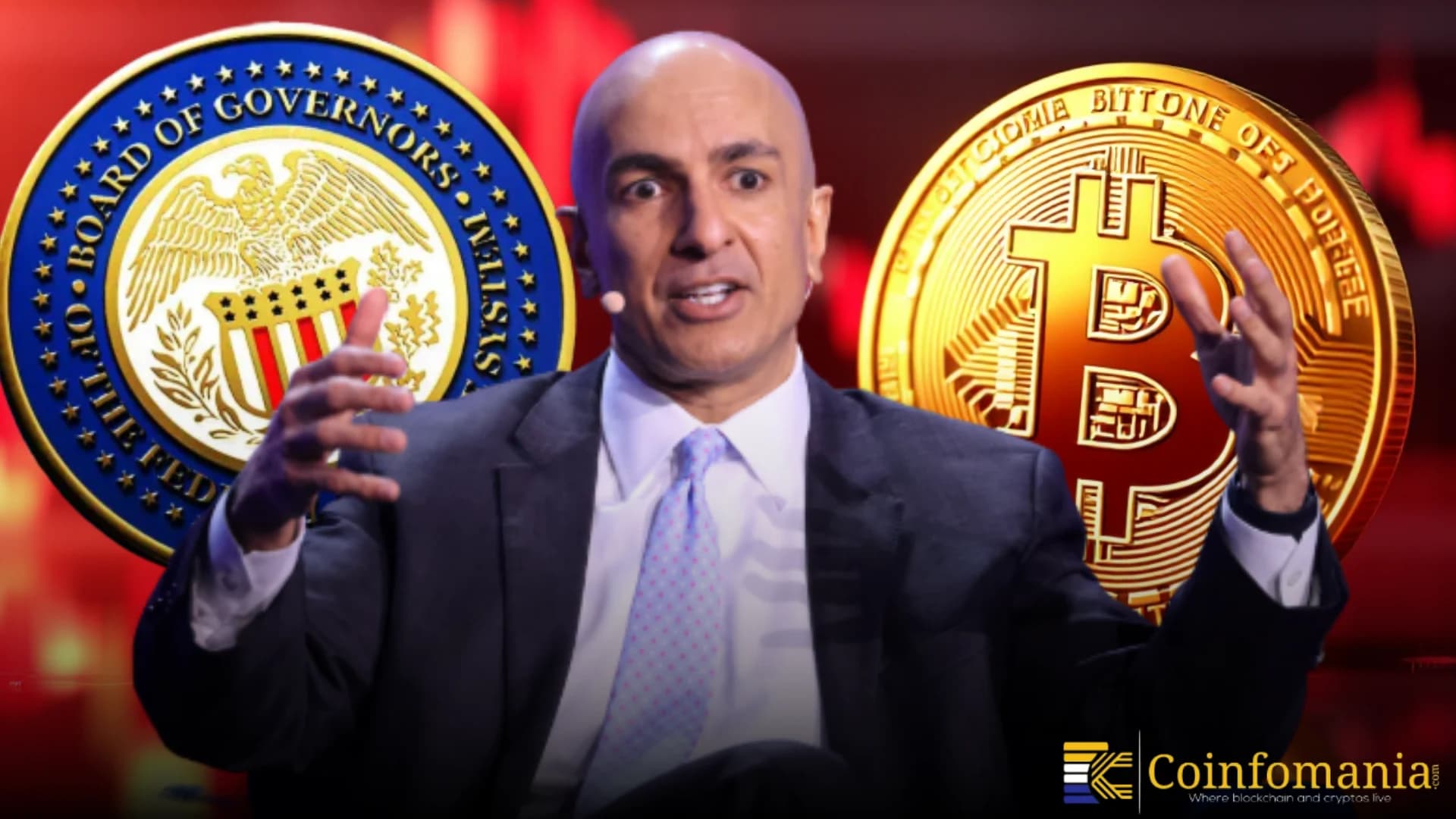
The debate over digital assets intensified after Minneapolis Federal Reserve President Neel Kashkari delivered sharp criticism of cryptocurrencies. His remarks stirred markets and reignited policy discussions across Washington. Investors and policymakers now weigh whether innovation outweighs risk. Kashkari described crypto as “utterly useless,” arguing that digital tokens fail to solve real economic problems. He warned that the industry creates more uncertainty than value. His comments placed crypto banking risks at the center of the conversation.
As regulators examine stablecoins and payment systems, Kashkari’s position reflects broader concerns within the Federal Reserve. The clash between crypto advocates and traditional policymakers now grows louder. Markets watch closely as this debate shapes the future of digital finance.
🚨 FED’S KASHKARI: CRYPTO IS “UTTERLY USELESS”
— Coin Bureau (@coinbureau) February 20, 2026
🇺🇸 Minneapolis Fed President Neel Kashkari says that cryptocurrencies and stablecoins pose risks to the banking system and fail to eliminate cross-border payment frictions. pic.twitter.com/4Re3PUpVo8
Why Kashkari Believes Crypto Fails To Deliver Real Utility
Kashkari argued that cryptocurrencies do not provide meaningful economic benefits. He questioned their ability to function as reliable money. According to him, most tokens lack intrinsic value and rely on speculation.
He stressed that crypto does not improve everyday financial transactions. Businesses and consumers still depend on banks and established payment rails. He said digital assets introduce volatility without solving inefficiencies.
Kashkari placed crypto banking risks at the forefront of his criticism. He believes the system exposes investors to sharp price swings and operational vulnerabilities. He also warned that excessive hype distracts from genuine financial innovation.
Stablecoins Under Scrutiny As Banking Concerns Rise
Stablecoins remain a major focus in Washington. Kashkari warned that dollar-pegged tokens could create new systemic risks. He argued that stablecoin regulation must tighten before adoption expands further.
Lawmakers continue drafting proposals aimed at improving transparency and reserve backing. Supporters claim stablecoins enhance efficiency in cross border payments. Critics counter that weak oversight threatens financial stability.
Kashkari questioned whether stablecoins truly reduce friction in cross border payments. He suggested that existing banking systems already process global transfers securely. In his view, stablecoin regulation must address liquidity and redemption risks first.
Cross Border Payments And The Reality Of Efficiency Claims
Crypto advocates often highlight cross border payments as a breakthrough use case. They argue that blockchain networks reduce settlement time and fees. Kashkari rejected that claim.
He stated that modern banking infrastructure already handles large volumes of international transfers. Banks continue upgrading technology to improve speed and cost. According to him, crypto introduces complexity rather than clarity.
While blockchain technology offers transparency, it does not eliminate compliance requirements. Financial institutions still follow strict anti money laundering rules. Kashkari believes that crypto platforms face similar obligations, reducing any efficiency advantage.
Financial Stability Remains The Federal Reserve’s Core Priority
The Federal Reserve prioritizes financial stability above all else. Kashkari stressed that policymakers cannot ignore emerging threats. He warned that unchecked crypto expansion could destabilize credit markets.
He pointed to past market collapses as cautionary examples. Crypto exchanges and token issuers have faced liquidity crises before. Those events exposed gaps in stablecoin regulation and risk management.
Kashkari believes regulators must act before problems escalate. He supports stronger oversight frameworks that protect consumers and institutions. He argues that proactive regulation reduces systemic crypto banking risks.
What Kashkari’s Comments Mean For The Future Of Crypto
Kashkari’s remarks reflect skepticism within parts of the Federal Reserve. His comments influence market sentiment and policy direction. They also intensify scrutiny around stablecoin regulation and financial stability.
The crypto industry continues evolving despite criticism. Developers build new platforms and payment systems. Yet regulators demand accountability and transparency.
Crypto banking risks remain central to the discussion. Policymakers will likely push for stronger oversight in the coming months. The outcome could redefine how digital assets integrate with traditional finance.


Follow us on Google News
Get the latest crypto insights and updates.