G7 Emergency Talks Consider 400M Barrel Strategic Oil Release

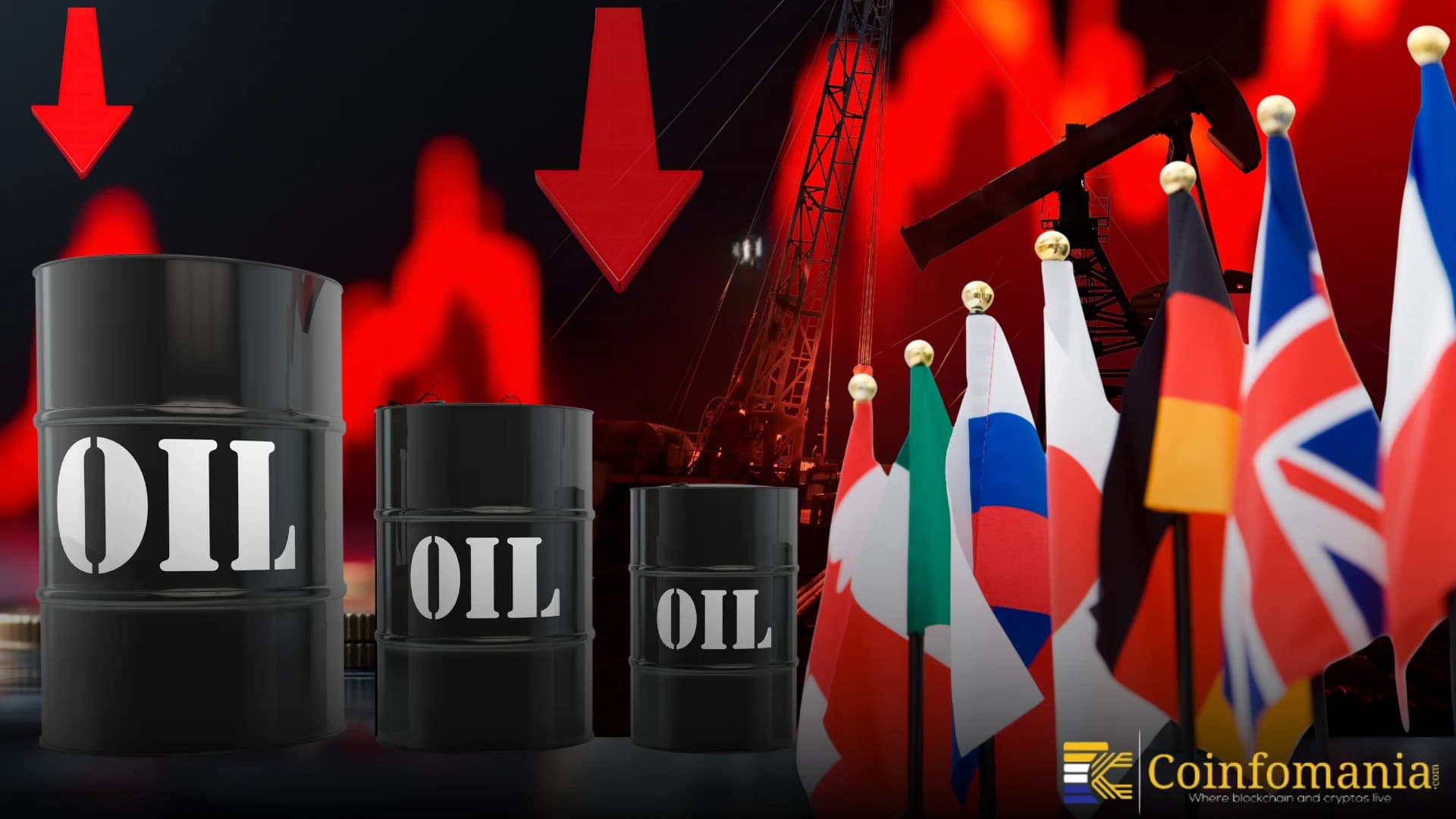
G7 and officials held emergency talks to discuss releasing 400M barrels of oil as Brent crude prices surged past $114 amid Mideast conflict.
Quick Take
Summary is AI generated, newsroom reviewed.
G7 weighs releasing 300 to 400 million oil barrels.
IEA Director Fatih Birol joins emergency call to stabilize prices.
WTI crude prices retreat to $104 after hitting $118 peak.
Coordinated release represents 30% of total global strategic reserves.
Oil markets turned highly volatile. After reports that G7 countries may release a large amount of oil from their emergency reserves. Officials are discussing a possible joint release of 300-400 million barrels of crude oil to calm rising prices.
The International Energy Agency (IEA) Executive Director Fatih Birol and G7 finance ministers reportedly scheduled an urgent call to discuss the plan. The meeting comes as oil prices recently spike by global supply concerns. The market reacted swiftly to news of a possible release. Within hours after the reports, U.S. oil prices fell by nearly $15 per barrel.
Oil Prices Drop After Reserve Release News
Before the news, oil prices had climbed rapidly. During the latest increase, crude oil traded at $118 per barrel at times. But once news spread that governments might release oil from reserves. The prices dropped quickly. U.S. crude fell below $104 per barrel. It shows how sensitive the market is to supply changes.
BREAKING: US oil prices are currently attempting one of their biggest reversals in history.
— The Kobeissi Letter (@KobeissiLetter) March 9, 2026
At 10:30 PM ET, US oil prices were up as much as +30% on the day.
Then, FT reported that G7 countries are considering releasing 400 million barrels of crude oil from reserves.
Less than… pic.twitter.com/G1uRHvkFxX
Energy experts say the move could increase available supply in the short term. As a result, it may help reduce pressure on global fuel prices. Still, markets remain uncertain. Prices continue to move quickly as traders react to each new update.
Strategic Reserves Built for Energy Emergencies
Strategic reserves are emergency stockpiles stored by governments. Countries created this system after the 1973 global oil crisis. It is to protect energy supplies during disruptions. Now, the 32 member countries of the IEA hold around 1.2 billion barrels of oil in public reserves. These reserves are not used often. But governments sometimes release oil during major crises. To stabilize prices and ensure supply.
If the G7 approves the plan, the potential release of 300-400 million barrels. It would be one of the largest coordinated actions in recent years. Officials believe such a move could quickly add supply to the global market.
Oil Traders React to Sudden Market Moves
The news also sparked strong reactions among traders. While prices dropped after the announcement. Many investors still expect oil to remain volatile. Some traders even rushed to place large long bets on oil prices, hoping prices could rise again.
Blockchain tracking data showed several large trades. Those opening long positions on oil futures within minutes. These traders appear to believe that supply risks may continue despite the possible reserve release. Through, other market participants are becoming cautious. Rapid price swings have made oil one of the most unpredictable markets this week.
Markets Now Wait for Official Decision
For now, the plan remains under discussion. The G7 leaders must still agree on the size and timing of any oil release. If allowed, the action might aid in the short-term stability of the global energy markets. Analysts, however, predict that the long-term impact will be set by global supply conditions. Energy markets are now closely watching the result of the emergency talks. Until then, oil prices may continue to rise quickly. As traders respond to every new development.
References


Follow us on Google News
Get the latest crypto insights and updates.