Iran Demands Crypto Payments for Strait of Hormuz Oil Transit

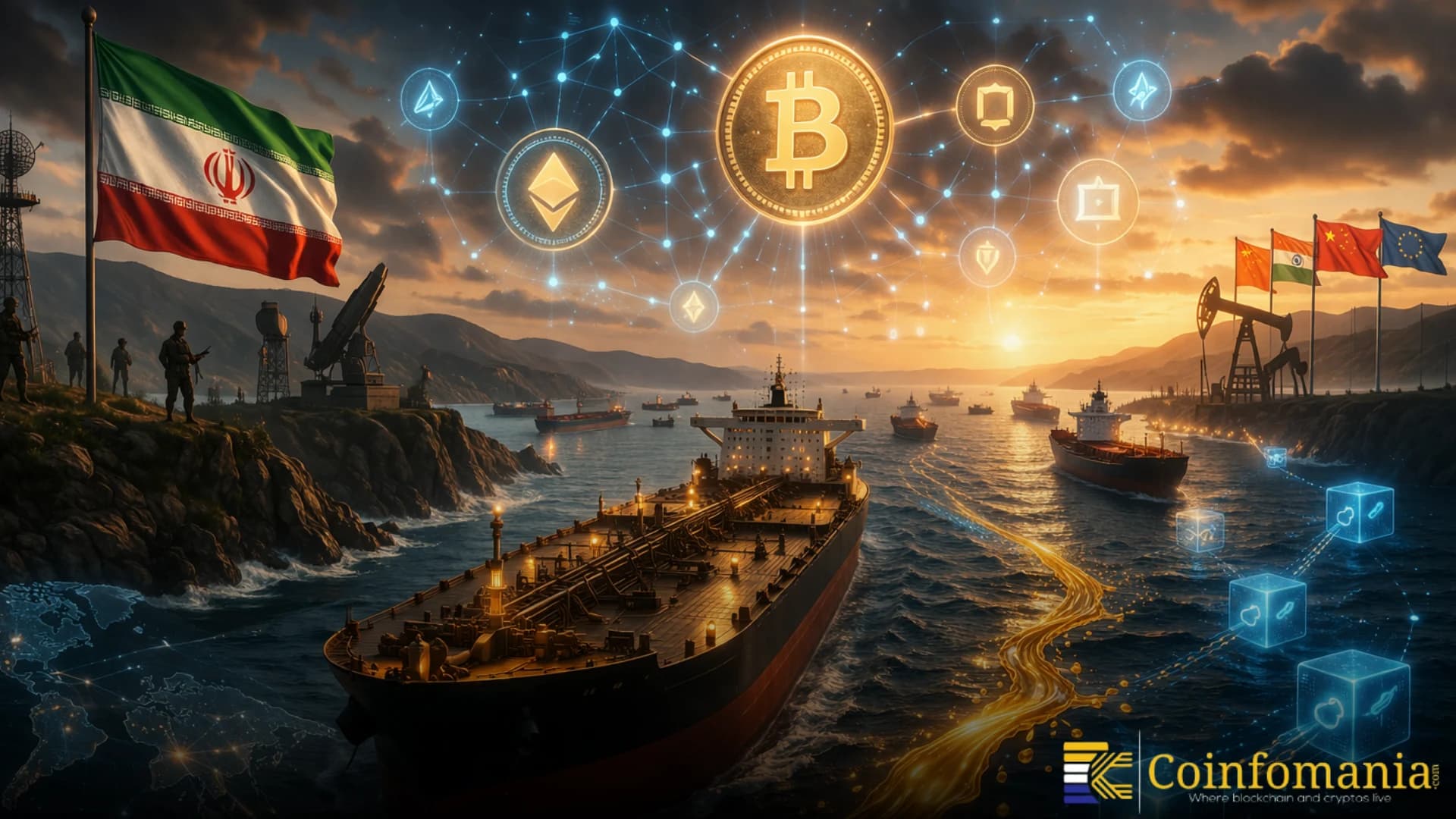
Iran announced a new "Strait of Hormuz Management Plan," requiring oil tankers to pay transit tolls of $1 per barrel in Bitcoin or Tether.
Quick Take
Summary is AI generated, newsroom reviewed.
Iran set a $1 per barrel toll for tankers in the Strait of Hormuz during a fragile two-week ceasefire.
Tankers must email cargo manifests to authorities and pay in BTC or USDT to avoid sanctions.
The IRGC warned that vessels transiting without a permit or payment will be targeted and destroyed.
The move could generate up to $20M daily, helping Iran bypass traditional dollar-based banking.
Iran has introduced a new rule for ships passing through the Strait of Hormuz, one of the world’s busiest oil routes. According to reports, oil tankers must now pay tolls using cryptocurrencies like Bitcoin and Tether.
🛳️🇮🇷 FT: Iran plans to charge oil tankers cryptocurrency fees to pass through the Strait of Hormuz during the two-week ceasefire, while inspecting ships for weapons.
— The Ukrainian Review (@UkrReview) April 9, 2026
Authorities say vessels must request permission, disclose cargo, and quickly pay about $1 per barrel in crypto.… pic.twitter.com/D64e7Vnjm6
The move comes during a fragile ceasefire period. It appears to aim at avoiding traditional financial systems. Ships must share cargo details with Iranian authorities before entering the route. In return, they receive a payment quote. The reported rate is about $1 per barrel of oil, paid in crypto.
New Rules for Ships Entering the Strait
The policy changes how ships move through the region. Before entering, vessels must contact Iranian authorities by email. They need to share details about their cargo and journey. After that, they receive a toll amount. Reports suggest the fee is based on cargo size. For example, a tanker carrying large volumes of oil could face a bill of millions of dollars.
Payment must be made quickly and in cryptocurrency. Iran has listed options like Bitcoin, USDT and even newer digital tokens. Ships that do not follow the rules may face delays or security risks while passing through. This creates a new step for shipping companies. Instead of using banks or wire transfers, they must now handle crypto payments. For many operators, this is a big shift in how business is done.
Why Iran Is Turning to Crypto?
Iran decision is not random. The country has faced heavy economic sanctions for years. These restrictions limit access to global banking systems. Iran can receive payments without relying on traditional financial channels by using crypto. Digital currencies move faster and are harder to block. This makes them useful in restricted environments.
While the Strait of Hormuz is a key global route. Around 20% of the world’s oil passes through it. This gives Iran strong control over a major energy chokepoint. With this system, Iran can generate a steady income from passing ships. Some estimates suggest that if traffic remains high, the country could collect large amounts of crypto each month.
Impact on Oil Markets and Shipping
This move could affect the global oil trade. Shipping companies may face higher costs due to these new tolls. As a result, oil prices could rise if companies pass those costs to buyers. It also adds uncertainty. Traders and operators now need to deal with geopolitical risks and crypto payments. Not all companies are ready for this change.
There are also concerns about safety. Ships that fail to comply may face inspections or other actions. This could slow down traffic through the strait. While the use of crypto in such a critical route shows how digital assets are entering real-world systems. It is no longer just about trading. Crypto is now being used in global trade and logistics.
A New Chapter for Crypto and Trade
Iran’s decision marks a major shift in how global payments can work. It shows that crypto can play a role even in high stakes industries like oil transport. However, it also raises questions. Will other countries follow this model? Or will it increase tensions in global markets? For now, one thing is clear. The mix of geopolitics, energy and crypto is getting stronger and the world is watching closely.


Follow us on Google News
Get the latest crypto insights and updates.