Pi Network Scam Alert as Fake 2FA Links Target Users

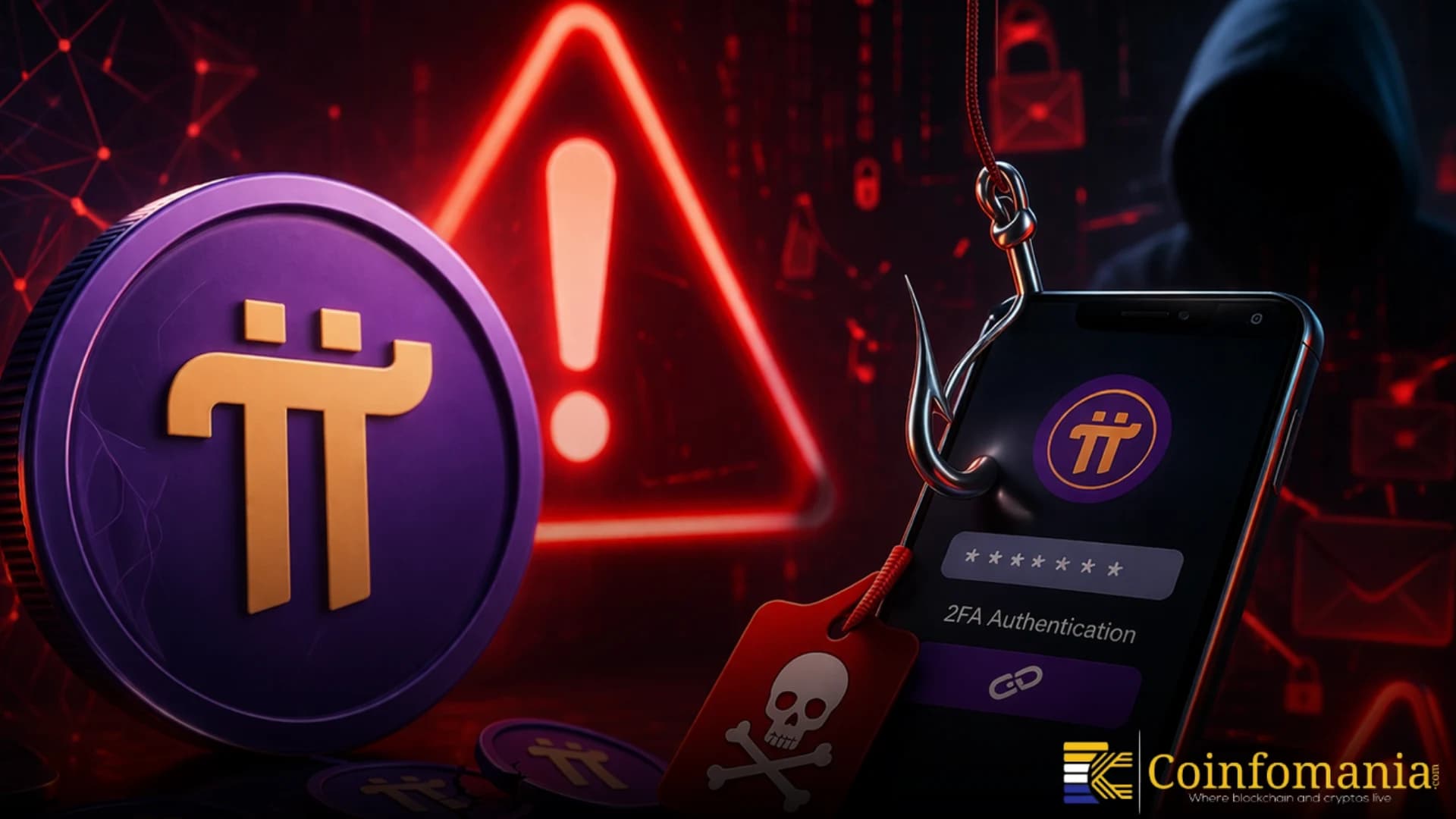
On March 30, security researchers identified a surge in phishing sites targeting Pi Network’s "Second Migration."
Quick Take
Summary is AI generated, newsroom reviewed.
Scammers use fake 2FA portals to steal 24-word wallet passphrases.
Phishing targets 119,000+ users eligible for Second Migration bonuses.
Official 2FA is managed in-app; the team never sends external links.
Compromised users must create a new wallet and update their checklist.
A fresh wave of scams is hitting users of Pi Network and this time it’s getting serious. Fake 2FA (two-factor authentication) links are spreading online, targeting users during the Second Migration phase. These scams look real. They copy official messages and try to trick users into entering their wallet passphrase.
⚠️#PiNetwork SCAM Alert 📢
— PiNetwork DEX⚡️阿龙 (@PiNetworkAL) March 30, 2026
🚨A new wave of scams is spreading rapidly, targeting users with fake 2FA links for the Second Migration — and unfortunately, many are falling for it again 😐
⚠️ Reality Check:
The Second Migration is a major event, including your referral bonuses. If… pic.twitter.com/mKL91Vc4Qx
Unfortunately, many users are falling for it. Once the passphrase is shared. The wallet can be taken over almost instantly. This warning comes at a time when activity on the network is rising. More users are moving their Pi to the mainnet. That excitement is now being used by scammers to trap people.
How the Scam Works?
The scam is simple but dangerous. Users receive a link that claims to help with 2FA verification. It may come through messages, posts or even fake websites. Once users click the link, they are asked to enter their wallet passphrase. The page often looks like the real Pi platform. So, it feels safe at first glance.
But this is the trap. The moment the passphrase is entered, scammers gain full access to the wallet. They can move funds without permission. It is important to remember one thing. There is no external 2FA link for Pi Network. Any website asking for your passphrase outside the official app is fake.
Why Now? Timing Matters
This scam wave is not random. It is happening during the Second Migration rollout. This phase allows users to move extra Pi, including referral bonuses, to the mainnet. Because of this, users are more active. They are checking updates and looking for ways to complete the process. Scammers are using this urgency to their advantage.
🚨Over 119k Pioneers have completed their 2nd Mainnet migration, unlocking on-chain referral bonuses & boosting the ecosystem's economy🚀
— PiNetwork DEX⚡️阿龙 (@PiNetworkAL) March 30, 2026
Node Operators: Remember the mandatory Protocol 21 upgrade deadline is April 6 to ensure network stability.🖥#PiNetwork pic.twitter.com/EZSyW1N2x2
While over 119,000 users have already completed their second migration. This shows strong momentum in the ecosystem. But it also creates more targets for attackers. In short, more activity means more risk if users are not careful.
What Users Should Do Right Now?
First, never share your passphrase. Not in messages, not on websites, not anywhere outside the official app. Second, only use trusted platforms. Always access your wallet through the official Pi Network app or verified website. Avoid links sent by others, even if they look real.
Third, stay alert. Scammers often create urgency. They may say your account needs quick action. Do not rush. Take a moment and verify everything. If you already entered your passphrase on a suspicious site, act fast. Move your funds if possible and secure your account immediately.
A Growing Ecosystem, But Also Growing Risks
Pi Network is clearly moving forward. Features like second migration and referral bonuses are expanding its ecosystem. But growth also brings challenges. As more users join, scams tend to increase. This is not new in crypto, but it remains a serious issue.
For now, the message is simple. Stay cautious. Stick to official channels. Furthermore, most importantly, protect your wallet details at all costs. Because in crypto, one small mistake can cost everything.


Follow us on Google News
Get the latest crypto insights and updates.