SEC Chair Paul Atkins Says NFTs Are Not Securities in Most Cases

SEC Chair Paul Atkins says most NFTs are digital collectibles, not securities, offering clearer crypto regulation.
Quick Take
Summary is AI generated, newsroom reviewed.
SEC Chair Paul Atkins says most NFTs are digital collectibles
NFTs generally fall outside U.S. securities laws
The statement introduces a clearer regulatory distinction
Asset classification depends on function rather than form
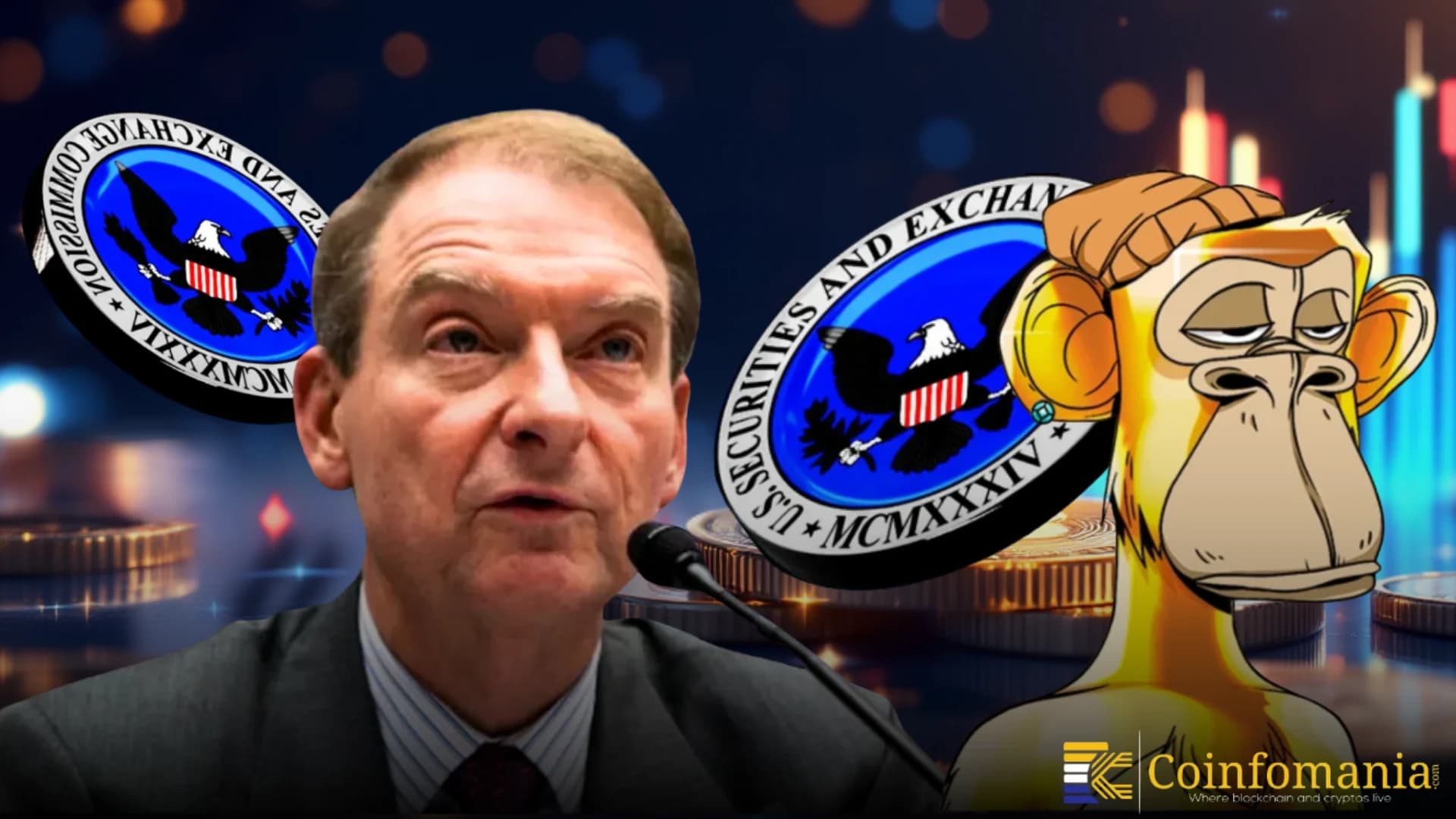
The U.S. Securities and Exchange Commission, under Chair Paul Atkins, has introduced new clarity regarding how NFTs are treated from a regulatory standpoint. According to the statement, most NFTs are classified as digital collectibles rather than securities.
This distinction is significant because securities fall under strict regulatory frameworks, while collectibles generally do not. NFTs represent unique digital ownership of assets such as artwork, music, or virtual goods, and are typically purchased for their intrinsic or collectible value.
Under U.S. law, securities are defined by the expectation of profit derived from the efforts of others. In many NFT cases, this condition is not met, which supports their classification as collectibles.
The SEC’s approach emphasizes evaluating digital assets based on their function rather than applying a single classification across all token types. This shift aims to reduce uncertainty for creators, platforms, and users, providing clearer guidance for compliance within the evolving digital asset ecosystem.
Market Implications and Regulatory Boundaries
While the clarification offers reassurance, regulators have also noted that not all NFTs automatically fall outside securities laws. Projects that promote financial returns or position NFTs as investment opportunities may still be subject to regulatory scrutiny.
These hybrid models, which combine collectible features with profit incentives, could meet the definition of securities. In such cases, existing regulations may apply to ensure investor protection and market transparency.
The guidance is expected to influence how NFT projects are designed moving forward. Developers may prioritize utility and collectible value over financial promises to avoid regulatory classification as securities.
At a broader level, this move reflects an effort to build a structured taxonomy for digital assets. Within this framework, assets like Bitcoin are often viewed as commodities, while NFTs are treated as collectibles based on their primary use case.
Future Outlook for NFTs in the U.S. Regulatory Framework
The SEC’s clarification could encourage greater participation in the NFT market by reducing legal uncertainty. Creators and platforms may feel more confident launching projects with a clearer understanding of compliance requirements.
At the same time, regulatory interpretation is expected to evolve as new use cases emerge. Enforcement decisions will likely shape how strictly these classifications are applied in practice.
As the digital asset space continues expanding, regulators will refine their frameworks to address innovation while maintaining investor protection.
For now, the guidance from Paul Atkins establishes a clearer foundation for how NFTs fit within the U.S. legal system, marking an important step toward more structured and predictable crypto regulation.


Follow us on Google News
Get the latest crypto insights and updates.