South Korea Approves STO Framework With Capital Markets Law Update

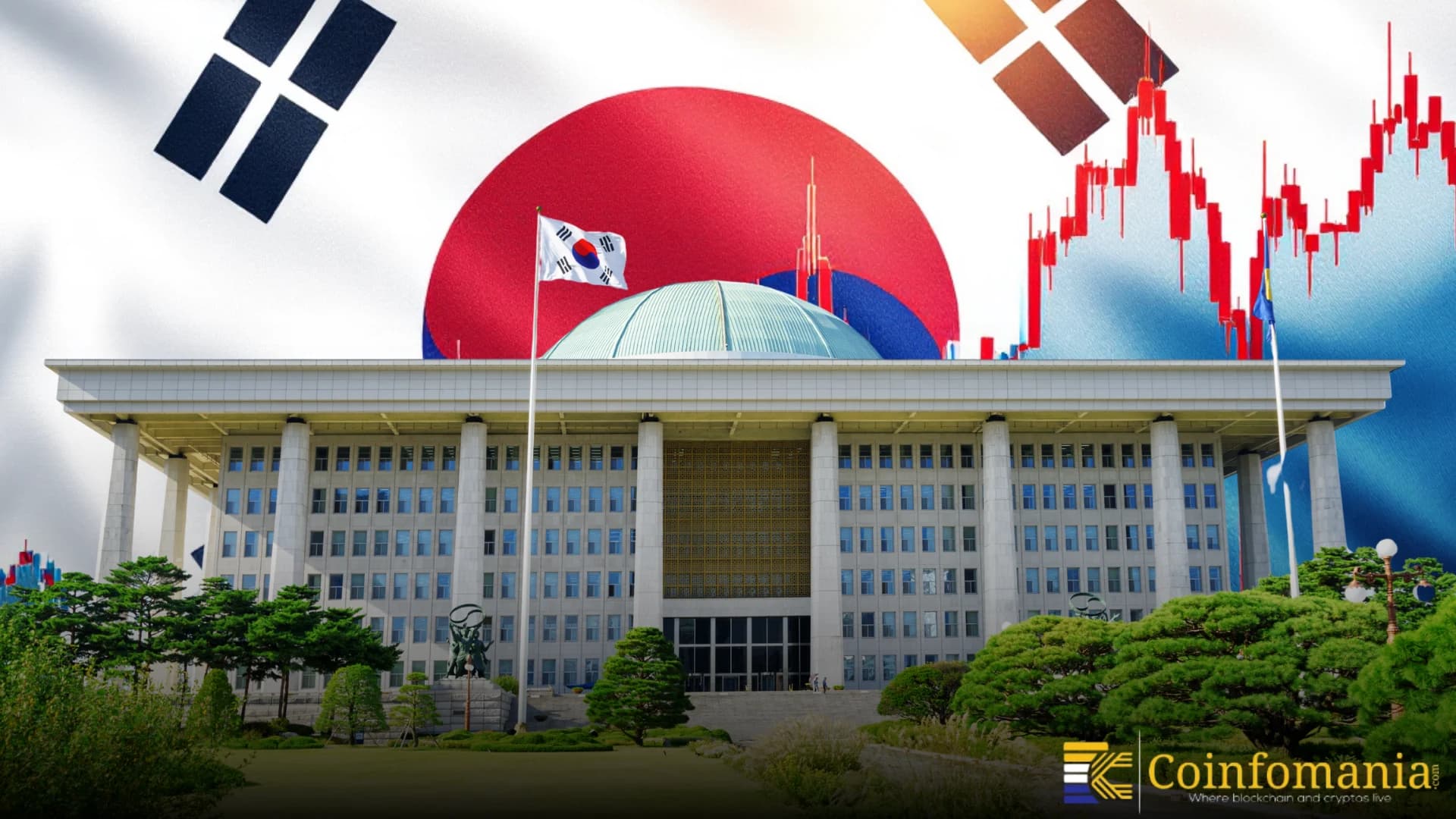
Korea’s National Assembly passed amendments to the Electronic Securities Act on Jan 15, legalizing STOs and fractional ownership.
Quick Take
Summary is AI generated, newsroom reviewed.
Legal amendments officially integrate blockchain into electronic securities.
Qualified firms can now issue security tokens directly.
A new account management system oversees distributed ledger registries.
The law takes immediate effect for investment contract securities.
South Korea has taken a big step toward the future of digital finance. On January 15, the country’s National Assembly passed major changes to its Capital Markets Act and Electronic Securities Act. These changes officially bring Security Token Offerings (STOs) into the legal system.
In simple words, this means blockchain based securities are now fully legal and regulated in South Korea. Specifically, companies that meet certain rules can issue digital securities directly on the blockchain. Notably, the update was reported by Yonhap News Agency and subsequently shared by Wu Blockchain. This move makes South Korea one of the most advanced countries in Asia when it comes to tokenized finance.
What Are Security Token Offerings?
Security Token Offerings are a new way to issue digital versions of real world assets using blockchain. These tokens can represent things like: Real estate, Company shares, Bonds and Investment funds. Instead of using paper documents or slow banking systems, companies turn these assets into digital tokens that live on the blockchain. Investors can buy small parts of expensive assets, Consequently, experts call this fractional ownership. This makes investing easier, faster, and more open to regular people.
What Changed in the Law?
The new amendments make blockchain-based securities fully legal under South Korea’s financial system. Here is what the new rules allow:
- Digital securities are now officially recognized under law
- Qualified companies can directly issue security tokens
- A new issuer account management system is created
- Blockchain is now part of the national financial framework
Before this, STOs were only tested under pilot programs and special guidelines. Now, they are part of the main financial law. This removes a lot of uncertainty for companies and investors.
Years of Planning Finally Pay Off
South Korea has been preparing for this moment for more than three years. Since 2023, the Financial Services Commission (FSC) has been working on STO rules. It tests systems and builds the legal structure. Banks, brokerages and tech firms have already run test projects. While using tokenized bonds and real estate. Some early pilots showed:
- 20-30% faster settlement times
- Lower operating costs
- Better access for small investors
Now, with the law in place, these projects can scale across the whole market.
Why This Matters for the Economy
This new system could change how people invest in South Korea. Security Token Offerings split expensive assets into small pieces, allowing more people to invest with less money. These tokens make trading faster and more transparent while the network settles transactions almost instantly. This also makes South Korea more attractive to global investors who are looking for modern digital markets. Experts believe this could turn South Korea into a major hub for asset tokenization in Asia. Ahead of countries like Japan and Singapore.
What Happens Next?
Now that the law has passed, financial firms will launch real STO platforms. We can expect to see tokenized real estate, bonds and funds enter the market in 2026. There are still challenges, such as cybersecurity, investor protection and market education. But the legal foundation is now strong. South Korea has sent a clear message: digital finance is no longer the future, it is the present.


Follow us on Google News
Get the latest crypto insights and updates.