Stellar Clears a Major Compliance Gate Inside Europe’s Ledger System
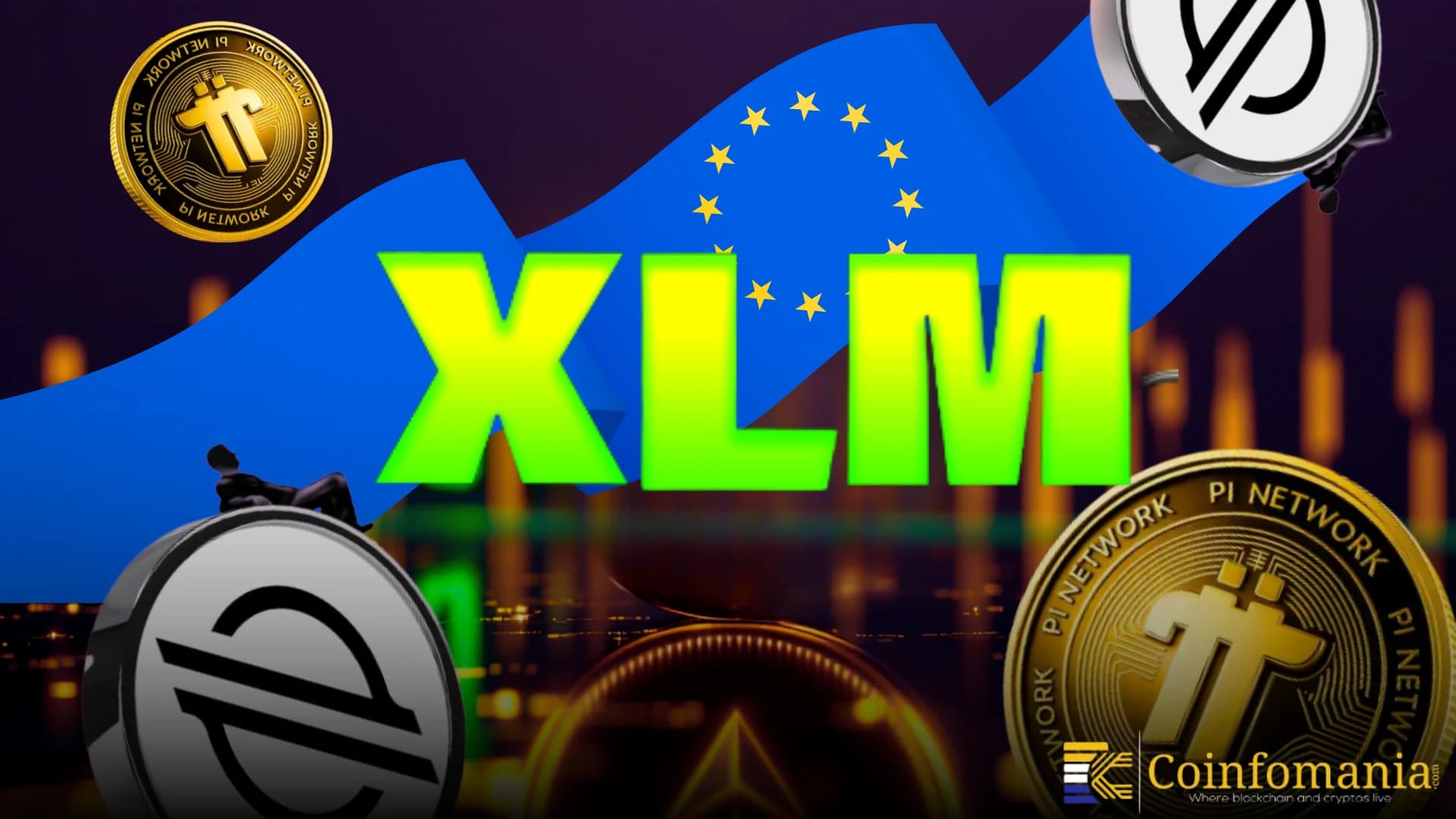
Stellar transactions have been verified inside Europe’s Unified Digital Ledger, reinforcing its role in regulated digital infrastructure.
Quick Take
Summary is AI generated, newsroom reviewed.
Stellar transactions are now verified within Europe’s Unified Digital Ledger
The ledger integrates central bank money, deposits, and compliant digital assets
Pi Network is referenced due to protocol alignment with Stellar upgrades
Verification confirms Stellar’s suitability for regulated settlement
The digital finance strategy of Europe is transitioning to practice and Stellar has recently passed a significant technical milestone. The Stellar network transactions are now validated and accepted in the system of Unified Digital Ledger in Europe. Consequently, the Stellar-based activity is technically compatible with the digital financial infrastructure adopted by the continent. This update emerged via the social media but its consequences are far-reaching than just a single post. It is an indicator of the way Europe is gradually choosing what blockchain rails may run within its controlled financial future.
Transactions on the Stellar network have been verified and approved within Europe’s new ledger system, meaning they are technically compatible with the adopted digital financial infrastructure there@PiCoreTeam #PiNetwork #Stellar https://t.co/zfb5R1BbwB pic.twitter.com/Xf8s7kyLxG
— WaeliaM (@WaeliaMe) February 18, 2026
What Europe’s Unified Digital Ledger Actually Represents
Apparently, the Unified Digital Ledger is a European project that was initiated in late 2025 to transform settlement in the area. It seeks to consolidate central bank money, commercial bank deposits and compliant digital assets into one interoperative infrastructure. The ledger is an intermediary layer as opposed to substituting existing systems. It provides permission to digital assets and blockchains to interface with the traditional financial infrastructure in a way that is overtly regulated. Notably, only networks with rigid standards regarding finality of transactions, transparency, and reliability in its operations can be interconnected. Checking does not mean anything. It is an actual technical compatibility.
The addition of Stellar shows that its design has always been centered on payments, settlement and institutional usefulness. The consensus model proposed by Stellar does not consume energy in mining but instead provides transactions at high speeds at low costs with predictable results. These attributes are in line with the regulatory priorities in Europe. Governments are not as concerned about speculation and more about settlement integrity, adherence and systemic stability. By overcoming this obstacle, Stellar will be able to prove itself as infrastructure-ready and not strictly experimental. It is important to banks, fintechs, and pilots in the government that are considering blockchain-based settlement.
Where Pi Network Fits Into the Narrative
The post also mentions Pi Network, which attracts attention to the current technical development of Pi. In January 2026, Pi introduced a mainnet upgrade which enabled features of its architecture to align with the protocol stack used by Stellar. This has scalability, privacy tooling, and liquidity routing improvements. Although Pi is still in a contained mainnet stage, the fact that protocols are more compatible with an Europe-compatible base layer enhances optionality in the long run. This tag does not mean that Pi is a regulatory approved drug. Rather, it points to the role played by the underlying infrastructure decisions which might affect subsequent compliance routes.
The given Lumexo announcement and the included graphics also prioritize interoperability of compliance-related networks like XRP, Algorand, and Stellar itself. These ecosystems are characterized by similarities. They emphasize on foreseeable settlement, transparent models of governance and participation in regulation, rather than fast experimentation. The design philosophy is increasingly becoming popular in Europe. Consequently, cross chain compatibility between these networks might emerge as a viable benefit with tokenized assets and regulated DeFi developing.
Europe’s Strategy Is Controlled Integration, Not Disruption
Europe is taking a cautious strategy unlike jurisdictions that are promoting open-ended experimentation. It does not seek to wholesale replace its financial systems, but instead selectively incorporates public blockchain infrastructure into their existing systems. Europe is a promise that Stellar and similar blockchain services can be useful by ensuring Stellar transactions are checked within its joint ledger, provided that the standards of operation and compliance are high. In this model, there is less systemic risk and yet facilitates innovations. In the long term, it can establish the process of blockchain implementation in regulated economies.
References


Follow us on Google News
Get the latest crypto insights and updates.
Related Posts
Why MoltID Could Redefine Trust For AI Agents Inside The Solana Ecosystem?

Vandit Grover
Author
Gold Meets Blockchain: Canadian Firm Offers Dividends in Tether’s XAUT

Triparna Baishnab
Author
XRP to $70 by June? Analyst Prediction Ignites a New Crypto Debate
Triparna Baishnab
Author