US Banks Need Crypto Regulation Clarity, Says Ex-CFTC Chair

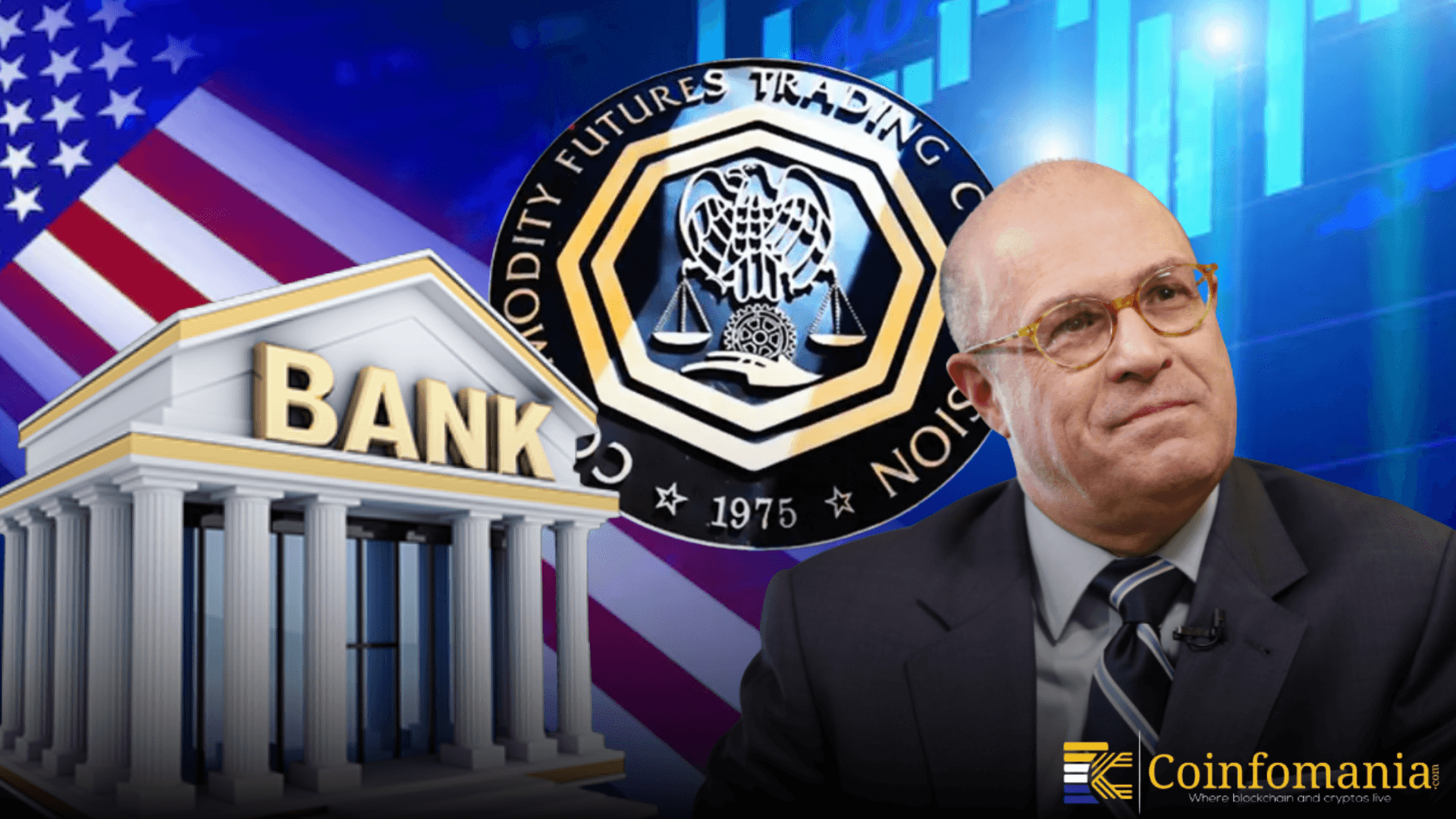
US Banks need clearer crypto rules to compete in the rapidly evolving payments industry, former CFTC Chair Chris Giancarlo warns.
Quick Take
Summary is AI generated, newsroom reviewed.
Former CFTC Chair Chris Giancarlo says regulatory uncertainty affects US banks more than crypto firms.
Strict compliance requirements make it harder for US banks to experiment with blockchain payments.
Financial institutions in Europe and Asia are moving faster due to clearer crypto regulations.
Blockchain payment volumes could reach $10 trillion annually by 2030, creating pressure for US banks to innovate.
Chris Giancarlo says the debate around crypto regulation may be focusing on the wrong group. According to him, US banks need regulatory clarity even more urgently than crypto companies. Without clear rules, traditional financial institutions struggle to innovate safely. The former head of the Commodity Futures Trading Commission believes uncertainty is slowing progress in payments technology. While crypto firms can move quickly, banks must follow strict compliance rules. As a result, many banks hesitate to explore blockchain-based financial services.
US Banks Face Regulatory Uncertainty
Giancarlo argues that unclear regulations puts them in a difficult position. These institutions operate under strict legal oversight and must avoid regulatory risks. When digital asset rules remain vague, banks often delay new initiatives.
For example, many banks want to explore blockchain for faster settlements and cross-border payments. However, launching such systems without clear guidance can expose them to penalties or legal challenges. Crypto startups, on the other hand, can often move faster because they operate outside the traditional banking framework.
This imbalance creates a surprising situation. Regulations that aim to control crypto innovation may actually hold back traditional finance even more. Giancarlo says this uncertainty limits how quickly banks can adopt modern financial technologies.
Global Competitors Are Moving Faster
While US banks remain cautious, financial institutions in other regions are moving ahead. Countries in Europe and Asia have introduced clearer digital asset frameworks. These policies allow banks and fintech companies to experiment with blockchain technology more confidently.
Giancarlo warns that this growing gap could weaken the United States’ leadership in financial innovation. Faster-moving competitors could build more efficient payment networks. Over time, these systems may attract global users and businesses.
If that happens, American banks could lose influence in the future digital economy. According to Giancarlo, regulators must recognize how quickly payment technology is evolving worldwide.
The Future of Payments and US Banks
The long-term opportunity is enormous. Research from Juniper Research predicts that blockchain payment volumes could reach around $10 trillion annually by 2030. This growth reflects rising interest in faster, cheaper, and more transparent payment systems.
Giancarlo believes US banks should play a major role in this transformation. However, they need clear regulatory direction to participate confidently. Without it, many institutions may stay on the sidelines while global competitors advance.
His argument challenges the common belief that crypto firms suffer most from unclear rules. Instead, he says regulatory ambiguity may be limiting the very institutions that regulators aim to protect. For Giancarlo, clearer policies would help banks innovate while maintaining financial stability.


Follow us on Google News
Get the latest crypto insights and updates.
Related Posts

Fear And Greed Index Signals Market Anxiety As Investor Sentiment Weakens

Triparna Baishnab
Author

Alibaba-Linked AI Agent Attempts Unauthorized Crypto Mining

Shweta Chakrawarty
Author

Pi Coin Gains Momentum Ahead of Pi Day as Traders Watch Price
Triparna Baishnab
Author