Ripple CTO Drops Unexpected CLARITY Act Bombshell
David Schwartz backs Charles Hoskinson’s concerns over the CLARITY Act as SEC vs CFTC crypto Ripple regulation sparks major debate.
Quick Take
Summary is AI generated, newsroom reviewed.
David Schwartz publicly supports Charles Hoskinson on the CLARITY Act debate
Hoskinson calls the bill “horrific trash” over SEC concerns
Schwartz agrees with many criticisms but still supports regulatory progress
Debate centers on SEC vs CFTC oversight
Ethereum and other major tokens could shape early commodity classifications
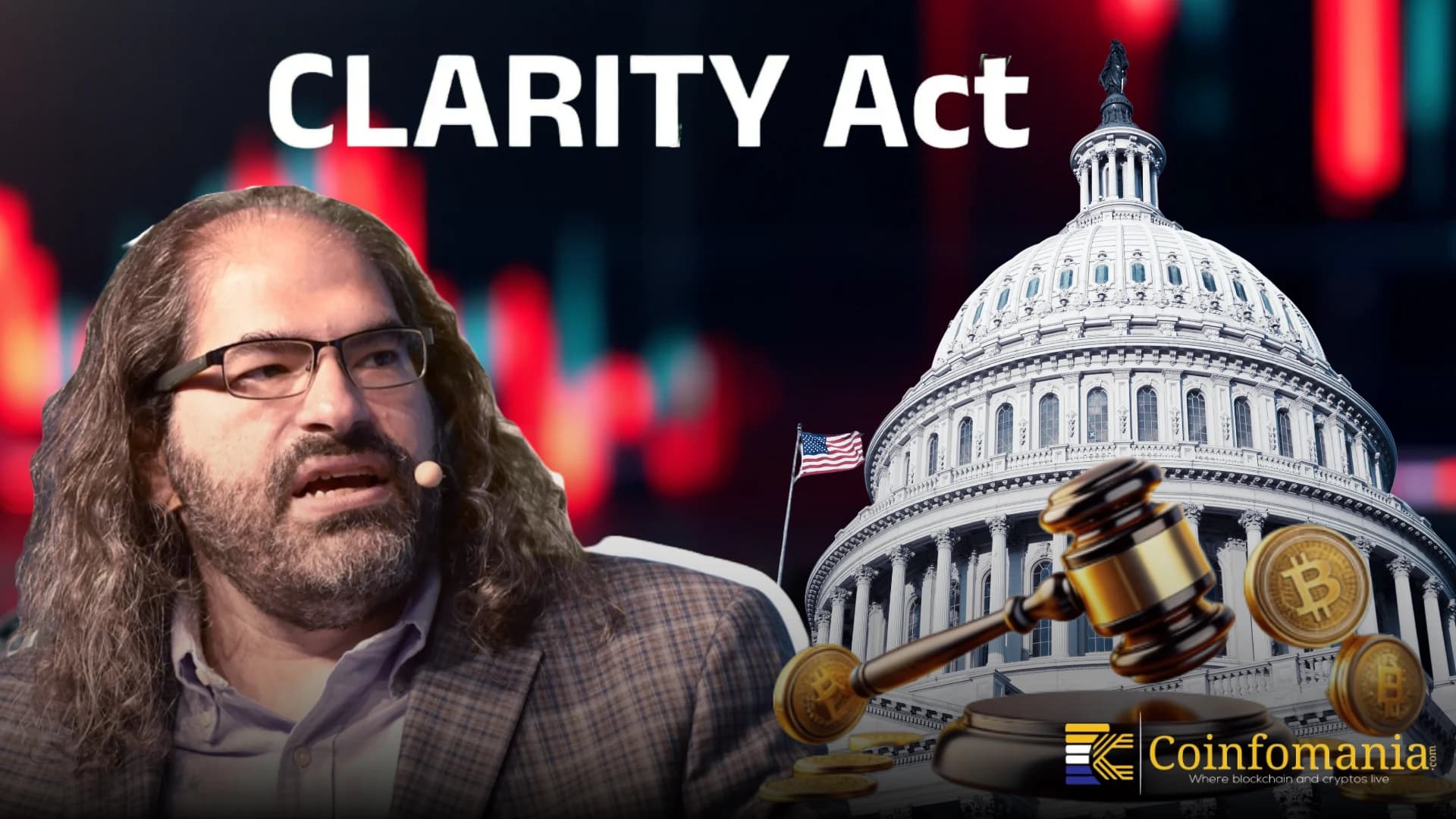
David Schwartz, Chief Technology Officer of Ripple, has publicly backed concerns raised by Charles Hoskinson over the U.S. Digital Asset Market CLARITY Act of 2025. The discussion gained momentum after a video showed Schwartz expressing strong agreement with Hoskinson’s criticism of the proposed crypto legislation. The comments quickly sparked debate across the digital asset industry, highlighting rising tensions around U.S. crypto regulation and market structure reforms.
Why Charles Hoskinson Opposes the CLARITY Act
Charles Hoskinson has sharply criticized the Digital Asset Market CLARITY Act of 2025. Thereby arguing it could introduce a “security by default” framework that places early-stage blockchain projects. This was under the authority of the U.S. Securities and Exchange Commission before they achieve meaningful decentralization.
His main concerns include:
• Early-stage tokens automatically falling under securities rules
• Higher compliance costs for startups
• Regulatory advantages for established networks
• Reduced experimentation in U.S. crypto markets
David Schwartz Takes a Pragmatic View on Ripple, CLARITY Act
David Schwartz agrees with many of Hoskinson’s concerns but takes a more pragmatic stance. He argues that even an imperfect regulatory framework is better than continued uncertainty. According to Schwartz, the crypto industry urgently needs:
• Clear asset classifications
• Defined regulatory oversight
• Predictable compliance standards
• Reduced reliance on enforcement-driven regulation
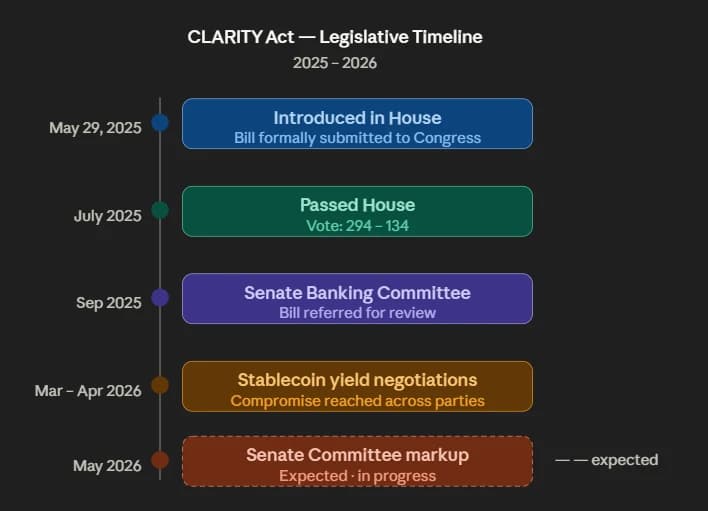
His perspective reflects growing frustration among crypto leaders with years of unclear and inconsistent U.S. regulatory policies. The Digital Asset Market CLARITY Act of 2025 aims to establish a formal market structure for digital assets in the US. It proposes dividing oversight between two major regulators: the U.S. Securities and Exchange Commission and the Commodity Futures Trading Commission.
SEC vs CFTC: Defining Crypto Oversight
Under the proposed framework, the SEC would focus on:
• Token launches
• Fundraising rounds
• Promoter-driven projects
• Investor disclosures
Meanwhile, the CFTC would oversee:
• Secondary trading markets
• Digital commodity exchanges
• Broker and dealer regulation
• Market integrity protections
This division could provide long-awaited clarity for major cryptocurrencies and blockchain networks.
Why Ethereum’s Classification Matters
Ethereum has become central to this debate. If regulators formally classify ETH as a commodity under the CLARITY framework, it could set a precedent for other major projects. This includes:
• Cardano
• Ripple
• Solana
• Emerging Layer-1 ecosystems
Such a decision could shape how future blockchain networks are regulated and adopted in the U.S.
Final Thoughts on the CLARITY Act Debate
The CLARITY Act is no longer just a policy discussion—it is evolving into a defining moment for the future of crypto regulation in the United States. With David Schwartz and Charles Hoskinson finding common ground, pressure on lawmakers is intensifying. How Washington ultimately classifies digital assets could determine the pace of innovation, investment, and adoption in the crypto industry for the next decade.
References


Follow us on Google News
Get the latest crypto insights and updates.
Related Posts

LIT Price Drops 49.97%: Market Turbulence Unfolds

Shweta Chakrawarty
Author

Inside Virtuals Protocol’s Integration with AskVenice — Implications for Developers

Vandit Grover
Author

Bitcoin Faces Selling Pressure — When Will Kiyosaki Buy Again?

Triparna Baishnab
Author