Lummis Says Clarity Act Decides if America Leads Next Finance Era

Senator Cynthia Lummis urges the Senate to pass the Digital Asset Market Clarity Act, framing it as a vital move for US financial leadership.
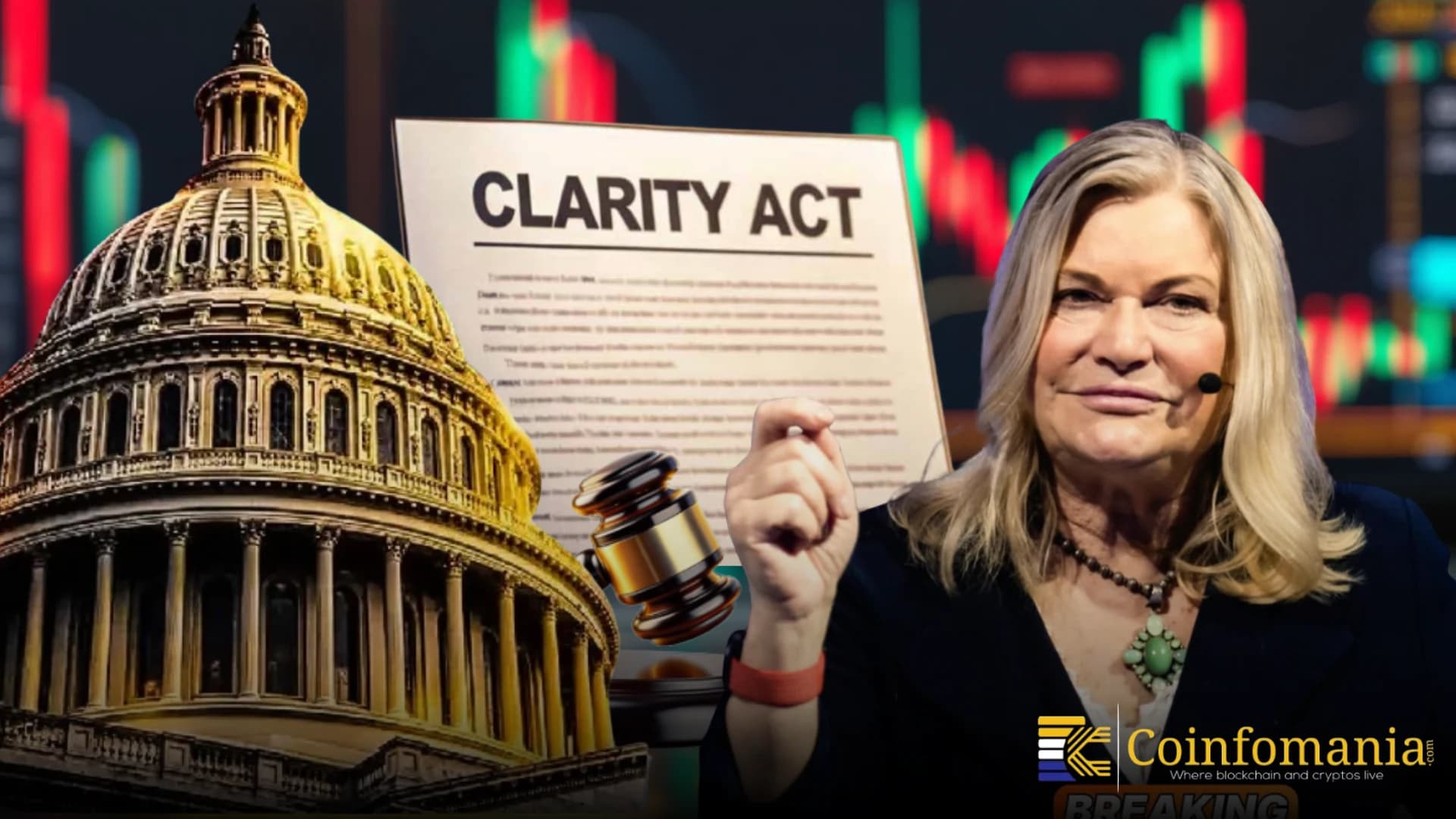
Quick Take
Summary is AI generated, newsroom reviewed.
Senator Cynthia Lummis warned on June 1, 2026, that delaying the legislation risks pushing innovation and capital to foreign markets.
The bill establishes clear oversight boundaries, separating security tokens under the SEC from digital commodities under the CFTC.
Following a 15-9 Senate Banking Committee approval in May, the framework faces a critical voting window before January 2027.
SEC Chair Paul Atkins endorsed the legislative push for clear rules, while critics like Elizabeth Warren demand stronger consumer safeguards.
Senator Cynthia Lummis isn’t letting up on her push for the Digital Asset Market CLARITY Act. The Wyoming Republican believes this bill could make or break America’s position in the next generation of finance. She’s not shy about saying so. In a June 1 post on X, she made her case directly to the public, warning that the U.S. risks falling behind global rivals if Congress doesn’t move fast.
The Clarity Act is not just a crypto bill. It's a decision about whether America leads the next financial system or watches from the sidelines.
— Senator Cynthia Lummis (@SenLummis) June 1, 2026
Her timing isn’t random. The CLARITY Act has been quietly gaining ground in Washington. It cleared the House back in July 2025, then moved through the Senate Banking Committee with a 15-9 vote in May 2026. With the current congressional session wraps up in January 2027. Supporters know the clock is ticking. The next few months could be the best shot at getting comprehensive crypto legislation across the finish line.
What the Digital Asset Market CLARITY Act Would Do
At its core, the Digital Asset Market CLARITY Act is about ending the guessing game for crypto businesses in America. Right now, companies often don’t know which regulator they answer to and that confusion has cost the industry dearly. The bill draws a clear line. Digital assets that behave like securities would stay under the SEC’s watch. While decentralized digital commodities would shift to the CFTC’s jurisdiction. Beyond that split, the legislation also takes on stablecoin rules, market structure questions and protections for decentralized finance projects.
For years, crypto firms have been stuck navigating overlapping regulations and surprise enforcement actions. Supporters say the CLARITY Act would finally put an end to that. The bill also fits neatly into the Trump administration’s broader goal of making the U.S. the go to destination for digital asset innovation.
Lummis Frames the Debate as a Global Competition
Lummis has stopped treating crypto regulation as just an industry issue. She sees it as a geopolitical one. Her argument is straightforward: if the U.S. doesn’t create a clear playing field, developers, entrepreneurs, and investment dollars will simply go somewhere that already has one. It’s not a hypothetical concern. The European Union has already rolled out its MiCA framework. While China keeps pushing forward with its digital yuan. Lummis has been blunt about what inaction could mean. America ends up playing by rules written in Brussels or Beijing instead of Washington.
Her broader point resonates with many in the industry. Blockchain technology, tokenized assets and stablecoins are reshaping global finance whether regulators engage or not. The question is whether the U.S. helps write the rulebook or inherits someone else’s.
Industry Sees Opportunity in Regulatory Certainty
The crypto world has largely greeted the bill’s progress with optimism. Even SEC Chair Paul Atkins has signaled support for clearer digital asset rules. While maintaining that investor protections remain a priority.
The industry’s case is simple: certainty breeds confidence. When banks, asset managers and fintech firms know exactly what the rules are, they’re far more likely to build out blockchain services and bring institutional money into the space. Right now, the fear of sudden regulatory shifts keeps many of them on the sidelines.
That said, not everyone is on board. Senator Elizabeth Warren and several other lawmakers continue pushing for stronger consumer safeguards. She is arguing the current bill doesn’t do enough to address fraud, market manipulation and broader financial stability risks.
What Happens Next with CLARITY Act?
The road ahead isn’t simple. Senate leadership still needs to bring the bill to the floor, where it will almost certainly need bipartisan support to clear the 60-vote threshold. If the Senate passes a version that differs from the House bill, both chambers will need to reconcile those differences before anything lands on the president’s desk.
Lummis, for her part, keeps pushing. Her message hasn’t changed: how the CLARITY Act debate plays out could decide. Whether America gets to shape the future of digital finance or spends years catching up to standards set by someone else. With crypto policy dominating more and more of Washington’s attention. The decisions made in the coming months could define the U.S. digital asset landscape for a long time to come.


Follow us on Google News
Get the latest crypto insights and updates.