Pi Network Releases PiRC2 Smart Contract for Developer Testing

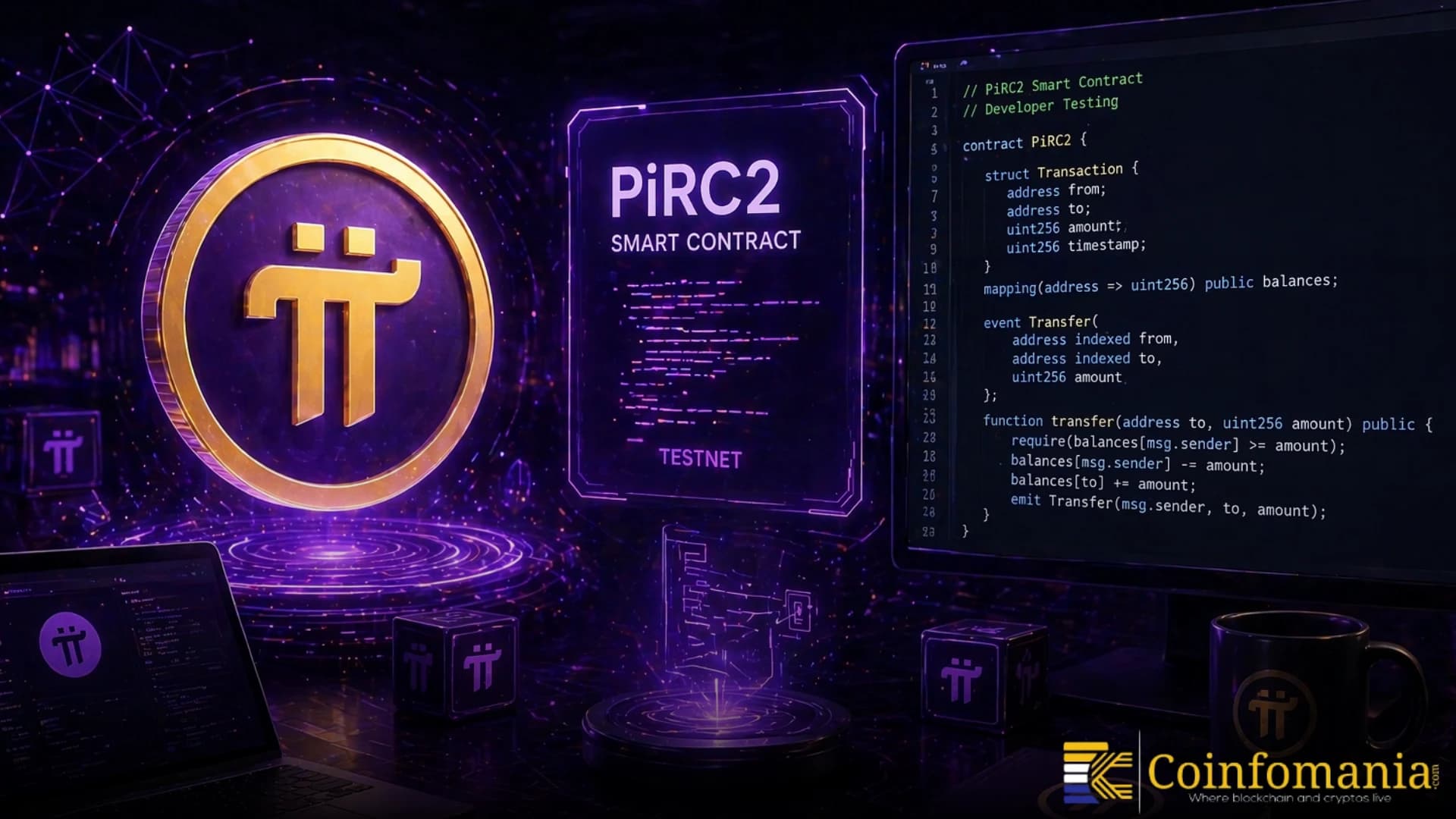
Pi Network debuts PiRC2 smart contracts for recurring payments on Testnet. Learn how the April 2026 upgrade prepares the ecosystem.
Quick Take
Summary is AI generated, newsroom reviewed.
PiRC2 introduces subscription-based smart contracts for e-commerce and streaming.
Node operators must upgrade to Protocol 22 by the April 27, 2026, deadline.
The system allows automated recurring billing while users maintain full wallet custody.
Protocol 22 serves as a mandatory technical bridge for the upcoming V23 mainnet release.
Pi Network just made a move developers have been waiting for. But instead of a full launch, it dropped something more subtle and maybe more important. “A test.” The team released PiRC2, its second “request for comment,” opening its smart contract system for public review. On paper, it looks like progress. In reality, it raises a bigger question: why now?
Smart Contracts Arrive but Only on Testnet
PiRC2 introduces a new feature: subscription-based smart contracts. This means apps on Pi Network can charge users automatically. Think streaming, tools, or memberships but on blockchain.
To open the Testnet subscription smart contract to technical review and community feedback, Pi has released the second Pi Request for Comment (PiRC2).
— Pi Network (@PiCoreTeam) April 22, 2026
Developers are encouraged to try integrating subscriptions in their own apps, review the subscription contract design, and test…
Developers can now test the system. They can build apps, check for bugs, and explore how it works. But here’s the catch. It’s not live on mainnet yet. So while the feature sounds big, it’s still in testing mode. That gap matters.
Why This Update Actually Matters Now
Pi Network is clearly shifting direction. It is moving from mining hype to real utility. Additionally, this is where things change. Instead of just talking about Web3, Pi is starting to build tools people can actually use. Recurring payments are a big part of that. Most blockchains struggle with this. Payments often require repeated approvals or full upfront costs. Pi is trying to fix that. If it works, it could make everyday apps easier to build on blockchain.
Developers Are Excited but Users Push Back
The reaction has been mixed. Developers see opportunity. More tools mean more apps. More apps mean more growth. But regular users? Not so impressed. Many are still waiting on KYC approvals. Others are stuck with pending migrations.
🚀After a few days' pause in the PCT migration, another 50 million Pi coins were allocated starting yesterday afternoon and are now slowly migrating to Pioneer account wallets. Analysis of the migration data suggests that it's primarily a secondary migration, with very few… pic.twitter.com/T0dKogKvBH
— PiNetwork DEX⚡️阿龙 (@PiNetworkAL) April 22, 2026
Some have waited years. So when Pi Network releases new features, the response isn’t always hype; it’s frustration. Also, here’s the interesting part. A network building advanced smart contracts still hasn’t fully onboarded many of its users. That contrast is hard to ignore.
Protocol Deadlines Add More Pressure
At the same time, Pi Network is pushing technical upgrades. Node operators must update to Protocol 22 by April 27. Miss the deadline, and they risk disconnection. This upgrade is needed for future smart contracts under Protocol 23. So while Pi is testing new features, it is also forcing rapid changes behind the scenes. That creates urgency. But it also adds pressure on users and developers alike.
What’s Really Happening Here?
Pi Network is clearly accelerating. It is building faster. Testing faster. Moving toward real use cases. But the story isn’t simple. On one side, developers are getting powerful new tools. On the other hand, users are still waiting for basic access. That gap is the real story. Because in crypto, progress is not just about what you build. It’s about who can actually use it. Right now, Pi is building fast but not everyone is moving with it.
References


Follow us on Google News
Get the latest crypto insights and updates.