Ripple CTO Reveals XRP Ledger Targets Stocks Repos and Money Market Funds

Ripple CTO outlines an expansion roadmap for the XRP Ledger targeting tokenized repos, money market funds, loans, and stocks.
Quick Take
Summary is AI generated, newsroom reviewed.
Ripple CTO David Schwartz detailed the ledger's transition from payment architecture into an institutional tokenization platform.
The upcoming expansion introduces support for tokenized repos, corporate loans, and public equities.
Enterprise tokenized asset volume on the ledger reached $3.5 billion this year.
Schwartz noted that institutional products will drive future mainstream retail DeFi adoption.
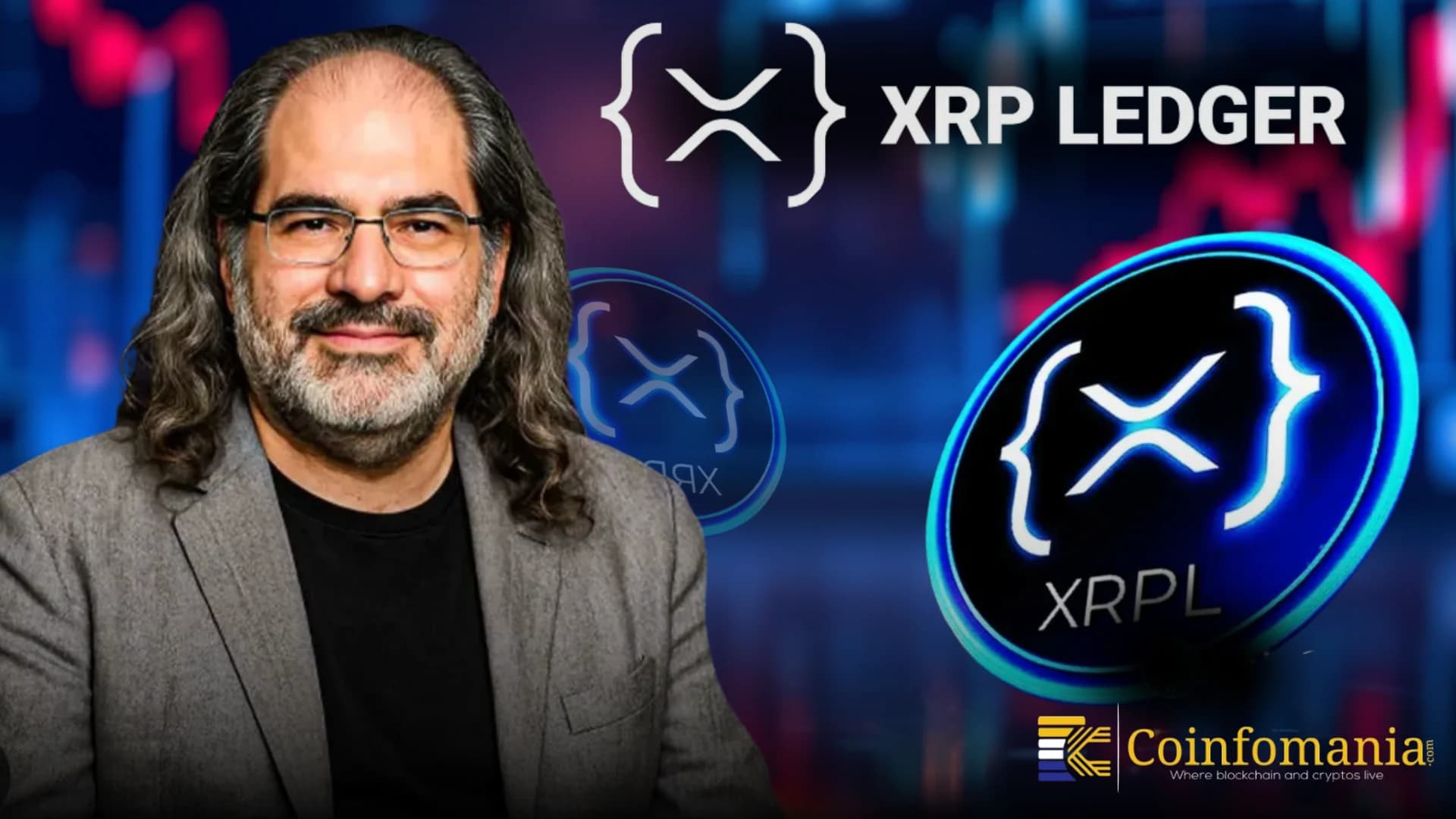
Ripple CTO David Schwartz has outlined an ambitious vision for the XRP Ledger. He revealed that the network is expanding beyond payments into tokenized securities, money market funds, stocks, repos and loans. The comments came in a new “XRP in a Minute” video published by RippleX.
There, Schwartz discussed how the XRP Ledger has evolved. From a simple blockchain for digital asset transfers into a platform designed to support real-world financial assets. The update arrives as tokenization gains momentum across the financial industry. Major institutions are increasingly exploring blockchain infrastructure to modernize traditional markets.
David Schwartz Highlights XRP Ledger’s Expanding Utility
In the video, Schwartz explained that the XRP Ledger was designed to support more than just cryptocurrency transactions. “Today, enterprises are using the XRP Ledger to provide tokenized real-world assets,” Schwartz said. He added that the next wave of adoption will include “tokenized securities to money market funds, even things like tokenized stocks.”
According to Schwartz, additional capabilities are already on the horizon. “Coming soon, we’ll see features like tokenized repos and tokenized loans,” he said. Repos, short for repurchase agreements, are a critical part of global financial markets. Bringing them on-chain could help improve efficiency, settlement speed and transparency for institutional participants.
The announcement reinforces Ripple’s long-term strategy of positioning the XRP Ledger as a bridge between traditional finance and blockchain-based financial services.
Enterprise Adoption Continues to Accelerate
Schwartz emphasized that enterprise adoption is already underway. While retail users often focus on price action, Ripple has continued building infrastructure for institutions seeking blockchain-based alternatives to legacy financial systems.
The XRP Ledger supports tokenized assets through its native architecture. This allows businesses to issue and transfer digital representations of real-world assets without relying on complex smart contract layers. Industry interest in tokenization has accelerated during the past year. Financial firms are increasingly exploring tokenized treasuries, private credit products, money market funds and other real-world assets. Ripple believes the XRP Ledger can play a significant role in that transformation.
Tokenization Growth Strengthens XRPL’s Position
The XRP Ledger has already seen substantial growth in tokenized assets. Reports indicate that tokenized asset activity on the network has reached approximately $3.5 billion this year. Growth has also been supported by Ripple’s RLUSD stablecoin, which has become an important part of the ecosystem.
Meanwhile, Ripple recently participated in an industry pilot involving Ondo Finance, JPMorgan, and Mastercard. The initiative reportedly settled tokenized U.S. Treasuries in less than five seconds. It demonstrates how blockchain technology can improve traditional settlement processes. These developments highlight the increasing demand for faster and more efficient financial infrastructure.
What This Means for Developers and Investors
For developers, the expanding focus on tokenization creates new opportunities to build financial applications on the XRP Ledger. Future support for tokenized stocks, loans and repos could unlock entirely new categories of decentralized financial services.
For investors, the announcement strengthens the long term utility narrative around XRP. As more institutions bring real-world assets onto blockchain networks. Transaction activity and liquidity could increase across the XRP Ledger ecosystem.
However, adoption remains the key metric to watch. While the technology is advancing rapidly, market participants will be looking for evidence. That major financial institutions continue deploying real-world products on XRPL.
XRP Ledger Eyes the Next Phase of Adoption
Schwartz believes enterprise adoption will ultimately pave the way for mainstream usage. “Enterprises will provide the features that will attract mass retail adoption where DeFi can truly deliver on its promise of replacing TradFi and providing the financial services that everyone needs,” he said.
The announcement comes as Ripple continues expanding its tokenization strategy through RLUSD, institutional partnerships and upcoming XRP Ledger upgrades. As Wall Street’s interest in tokenized assets grows, Ripple is positioning the XRP Ledger as infrastructure capable of supporting the next generation of digital finance. Whether that vision translates into widespread adoption could become one of the most important developments for XRP in the years ahead.
References


Follow us on Google News
Get the latest crypto insights and updates.