SEC Clarifies Neutral Crypto Interfaces Need No Broker Registration

SEC clarifies that many crypto wallets and apps may not need broker registration, offering relief to DeFi platforms under conditions.
Quick Take
Summary is AI generated, newsroom reviewed.
SEC says many crypto apps may not need broker registration
Applies to wallets, websites, and frontend interfaces
Must remain neutral and non-custodial
No advice, no fund control, no token promotion
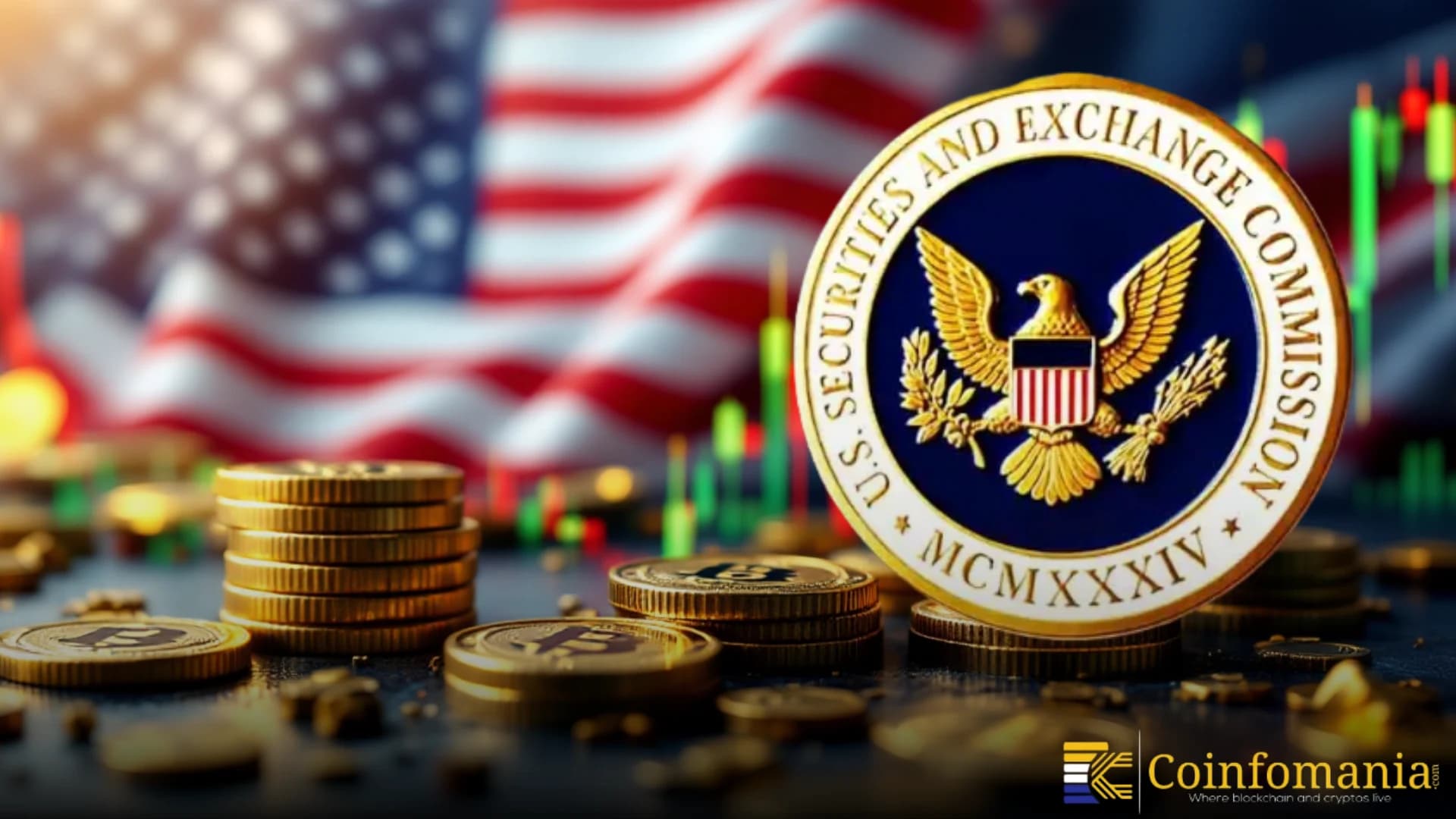
The U.S. Securities and Exchange Commission has issued a new staff statement that provides much-needed guidance for crypto platforms. Specifically, it clarifies that many apps, wallets, and web-based interfaces may not need to register as brokers—provided they meet certain conditions. This marks a significant shift in how regulators are approaching the crypto ecosystem.
💥 HUGE WIN FOR CRYPTO:
— Crypto Rover (@cryptorover) April 13, 2026
The SEC just gave clarity that many crypto apps and wallets may NOT need to register as brokers.
This means frontends like websites, apps, and wallet interfaces can keep operating without heavy regulation if they stay neutral.
Here’s what they must… pic.twitter.com/YfG6gkw7AX
For years, uncertainty around classification has created hesitation among developers and companies. However, this update begins to draw clearer boundaries. As a result, the industry now has a better understanding of what is allowed and what could trigger regulatory oversight.
SEC Neutral Platforms Get a Clear Path Forward
The guidance primarily benefits frontend platforms such as crypto wallets, DeFi apps, and trading interfaces. These tools serve as access points rather than financial intermediaries. However, to avoid being classified as brokers, they must remain strictly neutral.
In practice, this means platforms cannot hold or control user funds, provide investment advice, or recommend specific tokens. Instead, users must retain full control over their assets and decisions. At the same time, platforms can still display token prices, transaction routes, and market data. They can also charge fixed and transparent fees, as long as they do not influence user behavior.
This distinction is critical because it separates infrastructure providers from traditional financial entities. Consequently, developers can continue building without immediately falling under strict broker regulations.
A Temporary Boost for DeFi Innovation
Importantly, this SEC regulatory relief is not permanent. The guidance includes a five-year sunset clause, meaning it acts as a temporary framework while broader crypto regulations are developed. Even so, it provides a valuable window for growth.
For decentralized finance, this is especially impactful. It reduces legal uncertainty and encourages innovation across the ecosystem. Developers can now focus more on product development rather than compliance fears.
In conclusion, the U.S. Securities and Exchange Commission has taken a meaningful step by distinguishing neutral tools from financial intermediaries. While temporary, this clarity could accelerate the next phase of crypto and DeFi development, giving the industry room to evolve with greater confidence.
References


Follow us on Google News
Get the latest crypto insights and updates.