SpaceX Valuation Sparks Cisco Bubble Comparisons as Investors Debate Growth Potential
Explore the growing debate around SpaceX’s $2 trillion valuation, Cisco dot-com comparisons, Starlink growth.
Quick Take
Summary is AI generated, newsroom reviewed.
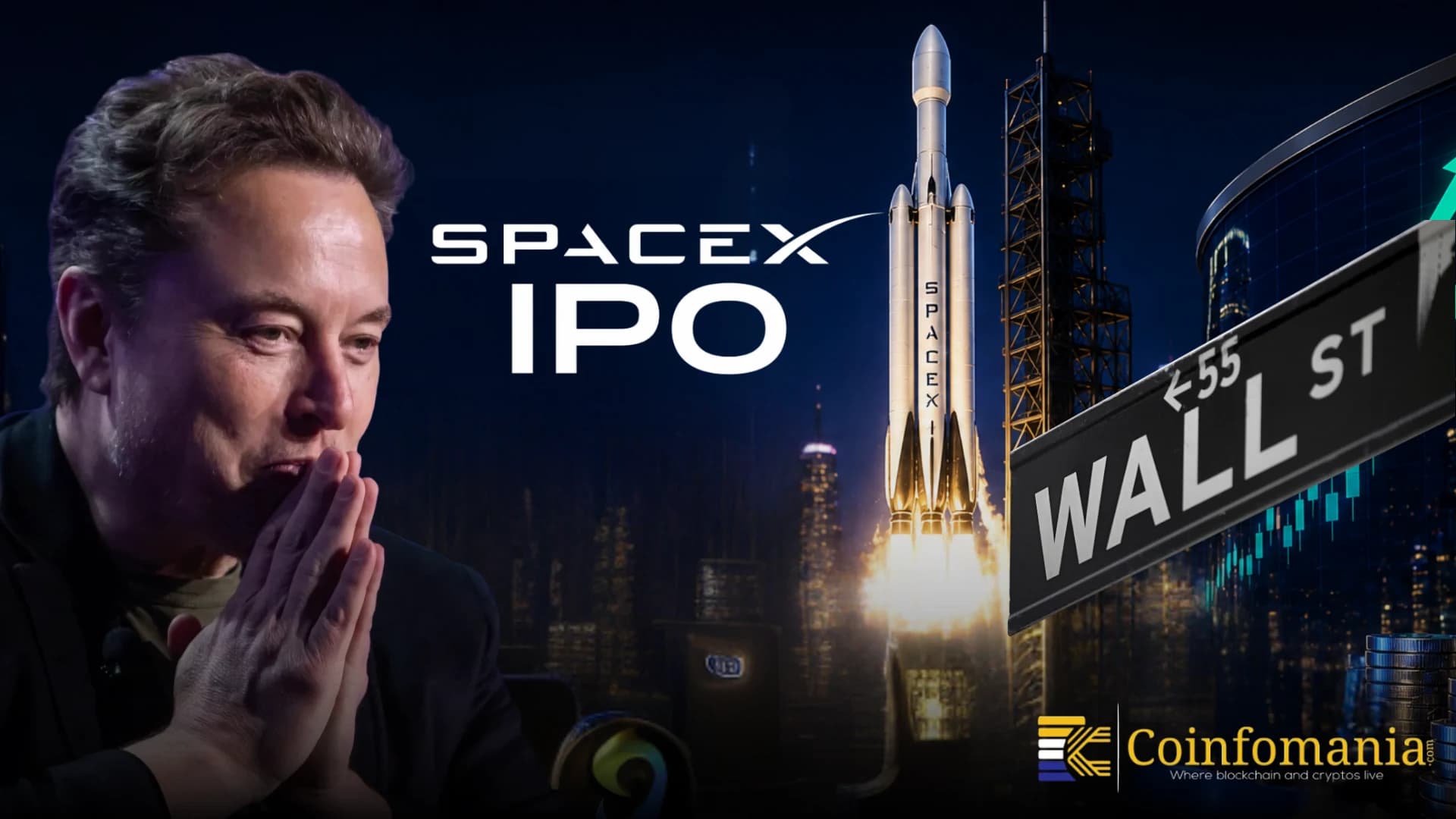
SpaceX's valuation exceeding $2 trillion has sparked comparisons to Cisco's rise during the dot-com era, raising questions about whether investor expectations have become overly optimistic.
Critics argue that both Cisco and SpaceX benefited from being viewed as foundational infrastructure providers for transformative technologies, leading to premium market valuations.
Supporters believe SpaceX differs significantly from Cisco due to its diversified revenue streams, including Starlink, launch services, government contracts, and emerging AI-related opportunities.
The central debate revolves around valuation rather than business quality, as even exceptional companies can generate poor investment returns if purchased at excessive prices.
Crypto analyst Crypto Rover has sparked debate across financial markets after comparing SpaceX’s current valuation trajectory to Cisco’s rise and collapse during the dot-com era. The comparison emerged shortly after SpaceX’s public debut pushed its valuation beyond the $2 trillion mark, making it one of the most valuable companies in the world.
According to the argument, Cisco occupied a similarly dominant position in 1999. The networking giant served as critical infrastructure for the rapidly expanding internet and generated substantial revenue growth. However, when the dot-com bubble burst, Cisco’s stock eventually lost nearly 90% of its value despite the company remaining a legitimate and profitable business.
The comparison has reignited discussions about whether today’s market enthusiasm around SpaceX reflects sustainable growth expectations or excessive optimism surrounding future potential.
Why Some Investors See Similarities to the Dot-Com Era
Supporters of the comparison argue that both Cisco and SpaceX became market favorites because they provide foundational infrastructure for transformative technologies. Cisco powered internet expansion during the late 1990s, while SpaceX currently leads in satellite communications, reusable launch systems, and emerging space infrastructure.
As a result, both companies attracted premium valuations based not only on current financial performance but also on expectations of future industry dominance. Investors during the dot-com era believed internet adoption would reshape the global economy, while many today see space technology, satellite connectivity, and AI-driven infrastructure as the next major growth frontier.
Consequently, some market participants worry that expectations may be running ahead of fundamentals, creating conditions similar to previous speculative cycles.
Key Differences Between SpaceX and Cisco
Despite the comparisons, many analysts argue that SpaceX differs significantly from Cisco’s position during the dot-com bubble. Unlike many companies that relied heavily on speculative internet spending, SpaceX operates several established businesses with meaningful revenue streams.
Starlink continues expanding its global subscriber base and has become a major source of recurring revenue. Meanwhile, SpaceX maintains strong relationships with government agencies, defense organizations, and commercial customers. The company also dominates the global launch market, giving it competitive advantages that few rivals can match.
Supporters further point out that SpaceX generates revenue from multiple business segments, including satellite internet services, launch operations, and emerging AI-related initiatives. These diversified income streams provide a stronger foundation than many high-growth companies that depend solely on future expectations.
Valuation Remains the Central Debate
The primary concern for investors is not necessarily whether SpaceX is a strong company but whether its current valuation accurately reflects future growth prospects. History has shown that even exceptional businesses can experience significant stock declines if valuations become disconnected from realistic expectations.
Cisco serves as a well-known example. Although the company survived the dot-com crash and remained an industry leader, investors who purchased shares near peak valuations waited many years to recover losses. This highlights an important lesson for modern investors: a great business does not automatically guarantee a great investment if the purchase price is too high.
For SpaceX, much of the current valuation assumes continued expansion across satellite communications, launch services, artificial intelligence, and future space-based infrastructure opportunities. Any slowdown in execution or growth could place pressure on investor sentiment.
What Investors Should Watch Going Forward
Investors evaluating SpaceX should focus on fundamental business metrics rather than short-term market excitement. Key areas to monitor include Starlink subscriber growth, revenue expansion, profitability improvements, launch frequency, government contract wins, and progress on long-term projects such as Starship.
At the same time, broader market conditions will likely play an important role. High-growth companies often perform differently depending on interest rates, investor risk appetite, and overall economic conditions.
While the Cisco comparison serves as a useful reminder about valuation risks, many analysts believe SpaceX operates in a fundamentally different environment with stronger revenue sources and broader growth opportunities. Nevertheless, the debate highlights a timeless investing principle: strong companies can still become overvalued if market optimism rises too quickly.
Market Outlook
The discussion surrounding SpaceX reflects a broader question facing today’s investors. Emerging technologies continue creating enormous opportunities, but they also generate periods of heightened speculation. As SpaceX expands its position across space technology, communications, and AI-related infrastructure, investors will need to balance long-term growth potential against valuation discipline.
For now, opinions remain divided. Some see SpaceX as the defining infrastructure company of the next technological era, while others view its valuation as a warning sign reminiscent of previous market bubbles. Ultimately, future performance will depend not only on market sentiment but also on the company’s ability to deliver sustained growth and profitability over the coming years.


Follow us on Google News
Get the latest crypto insights and updates.
Related Posts

Ripple CEO Challenges Jamie Dimon Over Crypto Regulation Debate

Triparna Baishnab
Author

Ethereum Reaches Historically Oversold Levels as Long-Term Investors Watch Key Signals
Triparna Baishnab
Author

Pi Network Launchpad Updates SLICE Test Token Participation Ahead of Pi2Day 2026
Triparna Baishnab
Author